1 hr 45 min
Waikiki Submarine Dive Adventure
- Entry ticket
- Mobile voucher
- Valid same day
- Free cancellation
Submarine Tour Waikiki Beach — Undersea Adventures
Descend 100 feet beneath the Pacific, where coral gardens meet forgotten wrecks
Compare fares, pick the fit — all bookings are mobile-voucher and eligible for free cancellation where shown.
1 hr 45 min
1 hr
2 hr 30 min
| Experience | Duration | Rating | Small group | Free cancel. | Price | |
|---|---|---|---|---|---|---|
|
Standard Entry
Most popular
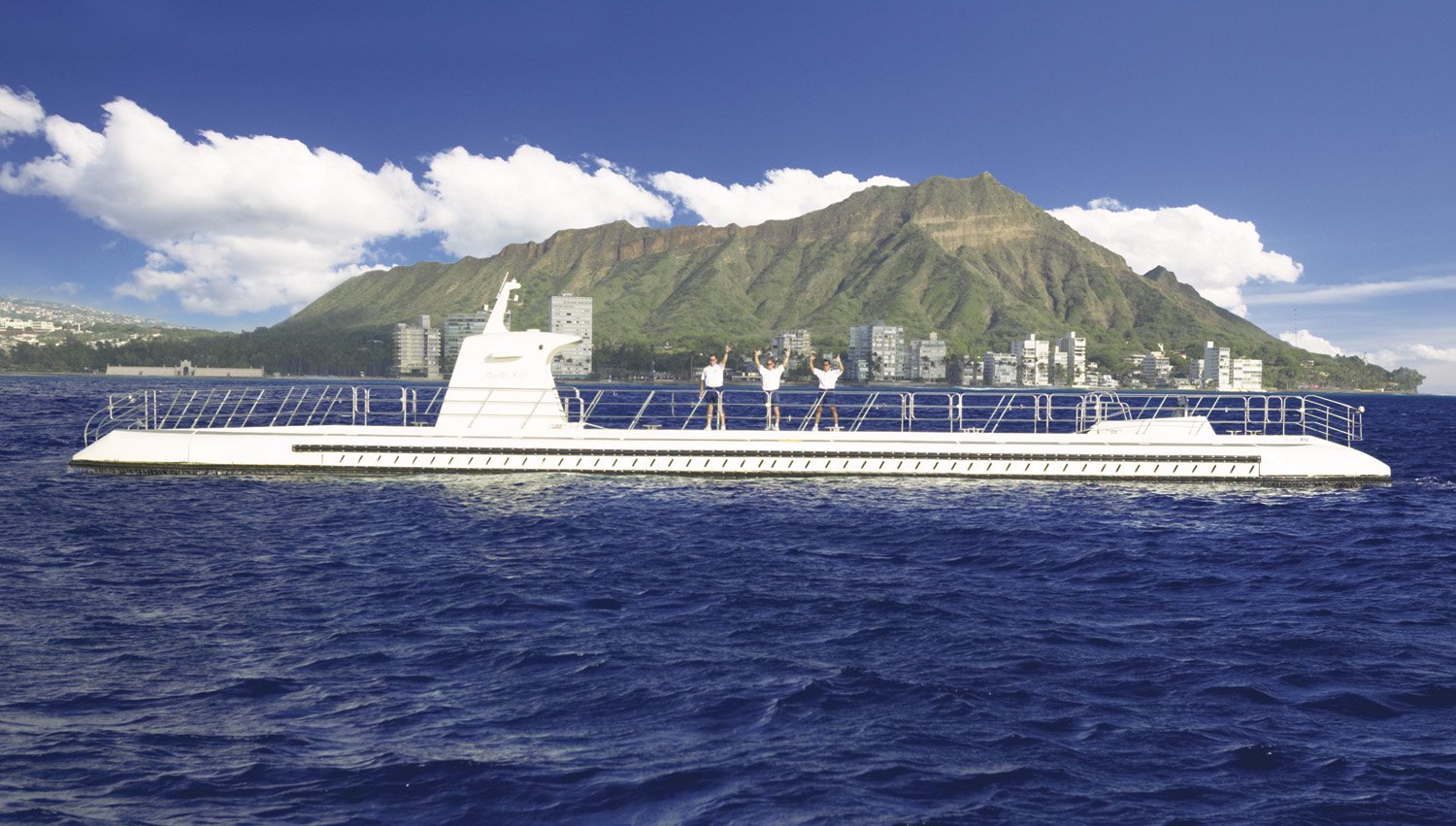
Waikiki Submarine Dive Adventure
|
1 hr 45 min | ★ 4.5 | — | ✓ | €147 | Book → |
|
Standard Entry
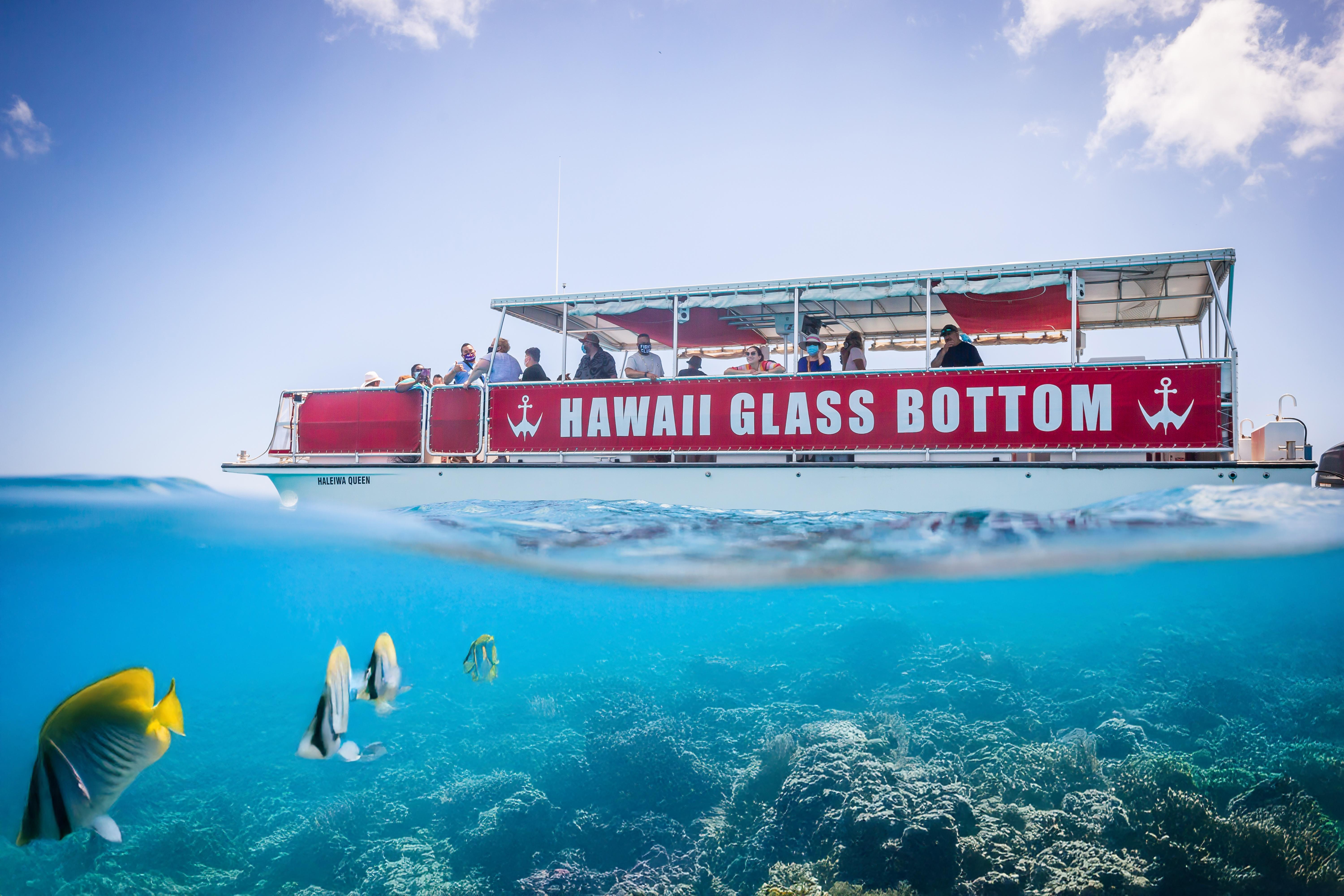
South Shore Glass Bottom Boat Adventure
|
1 hr | ★ 4.5 | — | ✓ | €38 | Book → |
|
Standard Entry
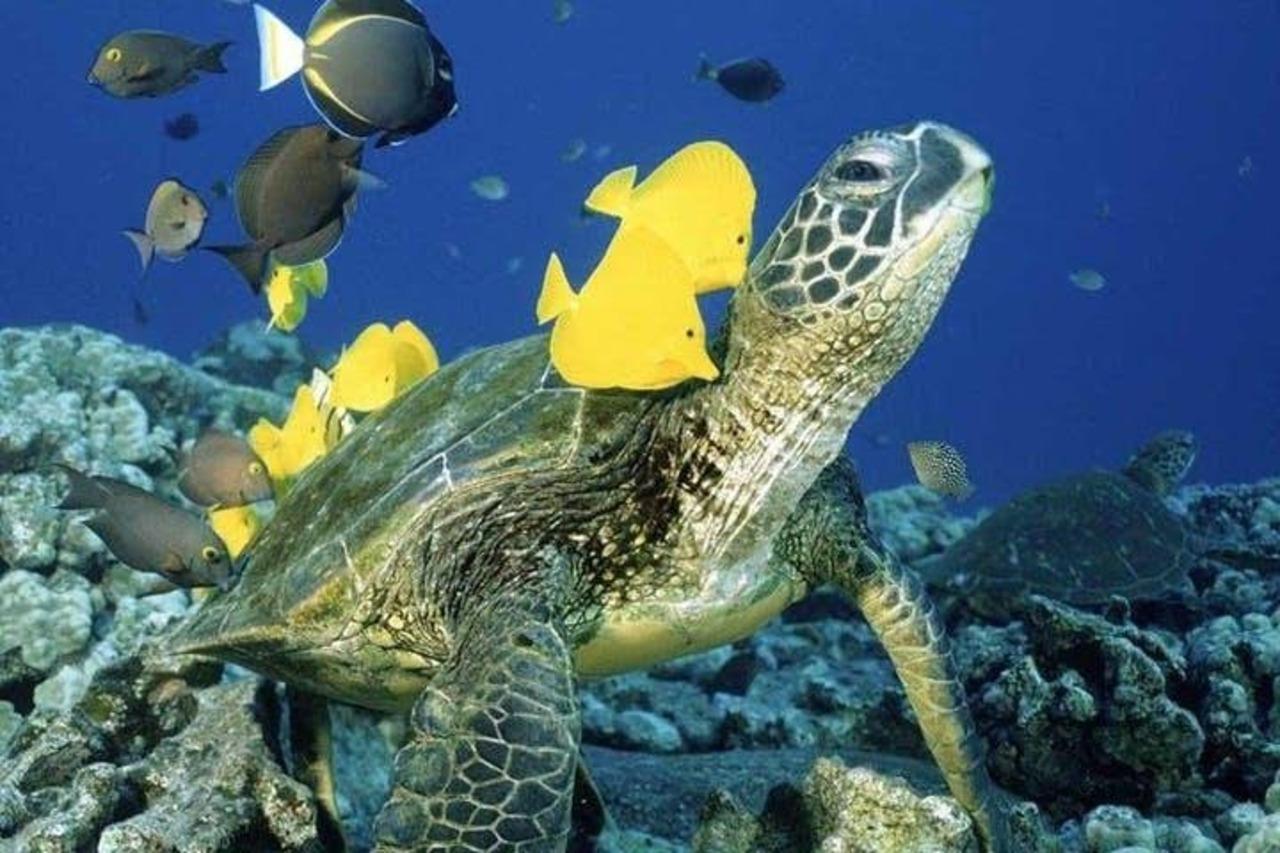
Waikiki Turtle Canyon Snorkel & Sail Adventure
|
2 hr 30 min | ★ 4.7 | ✓ | ✓ | €74 | Book → |
Worth it for marine life enthusiasts
The submarine tour waikiki beach experience delivers genuine underwater access without getting wet, diving to 100 feet where reef fish, sea turtles, and occasional dolphins appear against Oahu's coral walls. You're paying premium rates—typically $115–135 per adult depending on booking platform—for roughly 40 minutes of actual dive time plus surface transit. The climate-controlled cabin seats 48, so you're sharing portholes, and visibility varies with ocean conditions and recent rain. Shore snorkeling at Hanauma Bay costs $25 and puts you closer to the reef, but the Atlantis sub reaches depths and marine habitats inaccessible to swimmers. If you're uncomfortable snorkeling, have mobility limits, or want guaranteed sea turtle sightings without saltwater, the submarine tour waikiki beach tickets justify the cost. Confident swimmers seeking hands-on reef interaction will find better value in guided snorkel sails that include equipment and often lunch for $80–100.
Bottom line: The submarine justifies its cost if you value dry, deep-water marine access over surface snorkeling adventures.
Both trips explore the same Waikiki reef, but a submarine tour waikiki beach adventure takes you underwater while the glass bottom boat keeps you dry above it; divers who compare both call the submarine the more immersive descent, and the boat the easier, budget-friendly reef tour waikiki beach visitors with young kids or motion sensitivity tend to prefer.
|
Top pick Waikiki Submarine Tour |
South Shore Glass Bottom Boat | |
|---|---|---|
| What you see underwater | Reef, fish, WWII-era wrecks up close | |
| Reef and fish through hull windows | How deep you go | ~100 feet (30 m) below surface |
| Surface level, no descent | Getting wet | — (fully dry, air-conditioned cabin) |
| — (fully dry, open-air deck) | Price | See live tour pricing grid above |
| See live tour pricing grid above | Duration | ~1.5 hours total (45 min underwater) |
| ~1 hour on the water | Best for | Thrill-seekers, adults, certified-diver curiosity |
| See tickets & prices |
Verdict: Choose the submarine for genuine depth and close-up wreck views, and the glass bottom boat for a shorter, gentler skip-the-line waikiki beach tour that still delivers real reef scenery.
Hand-picked experiences loved by thousands of travelers
1 hour
Free Cancellation
Glide peacefully over Oahu's coastline with stunning aerial views of Diamond Head and turquoise Pacific waters.
1.5 hours
Free Cancellation
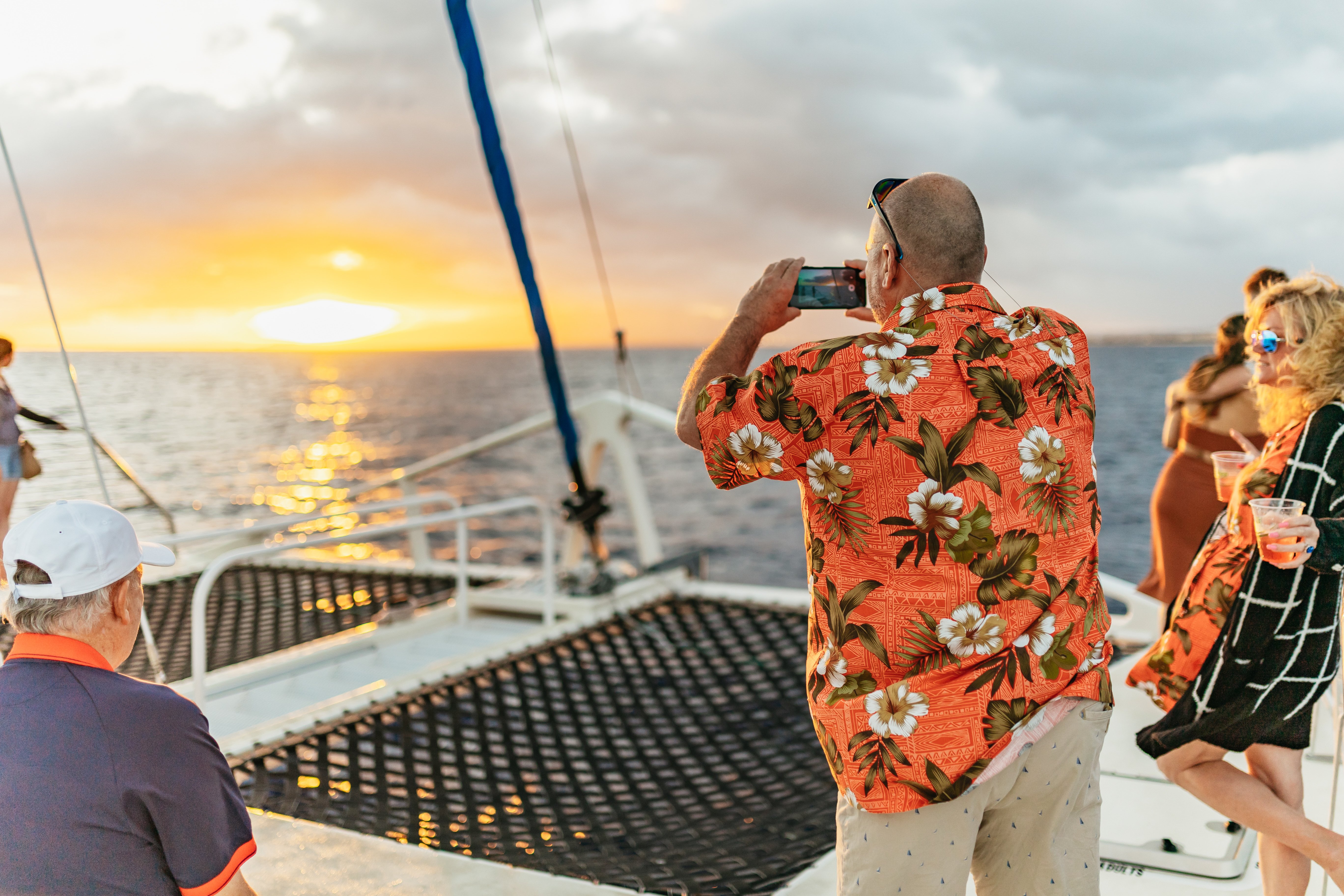
Sail along Oahu's coast at golden hour with premium drinks, light bites, and Diamond Head views
2 hours
Free Cancellation
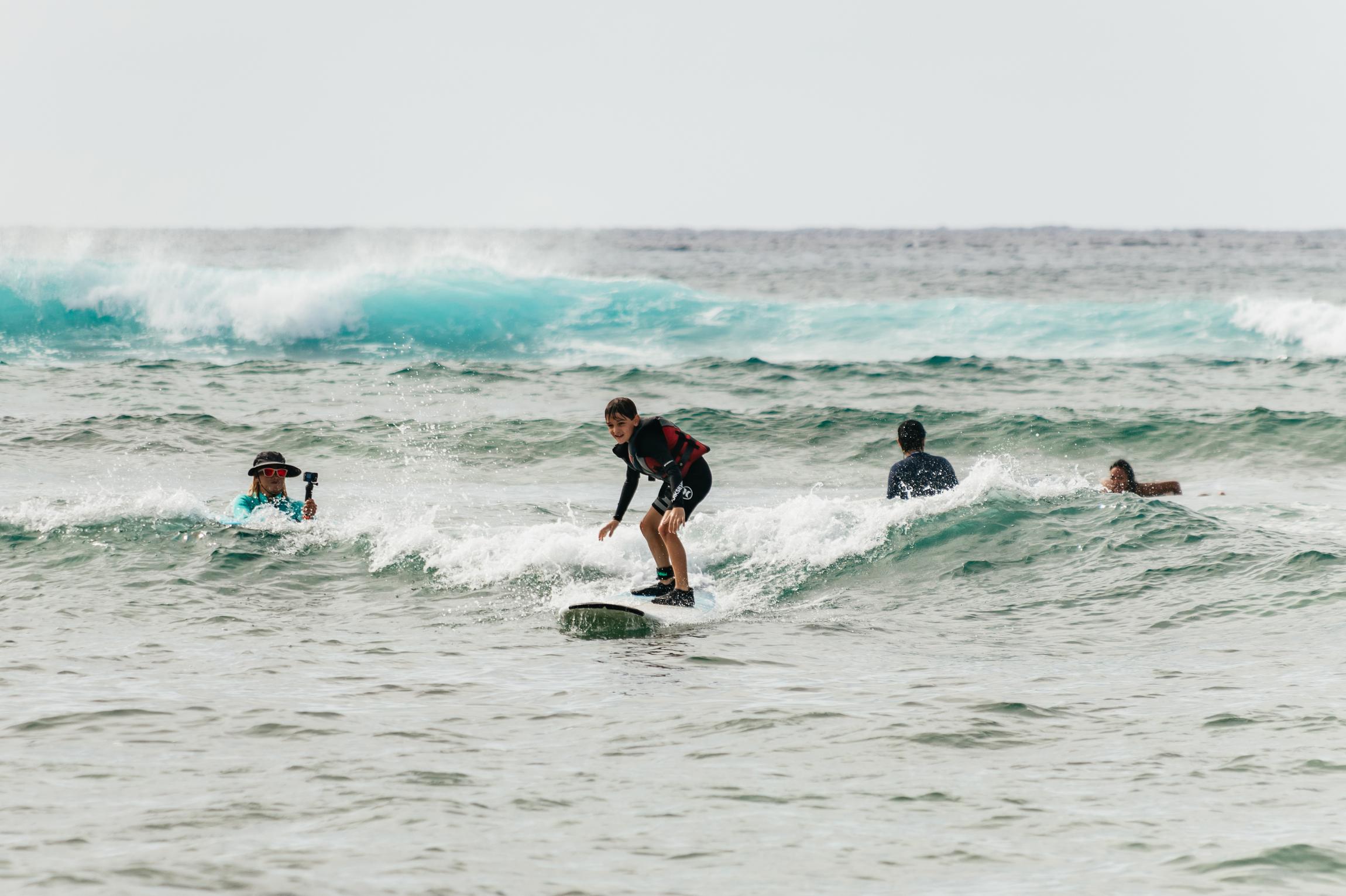
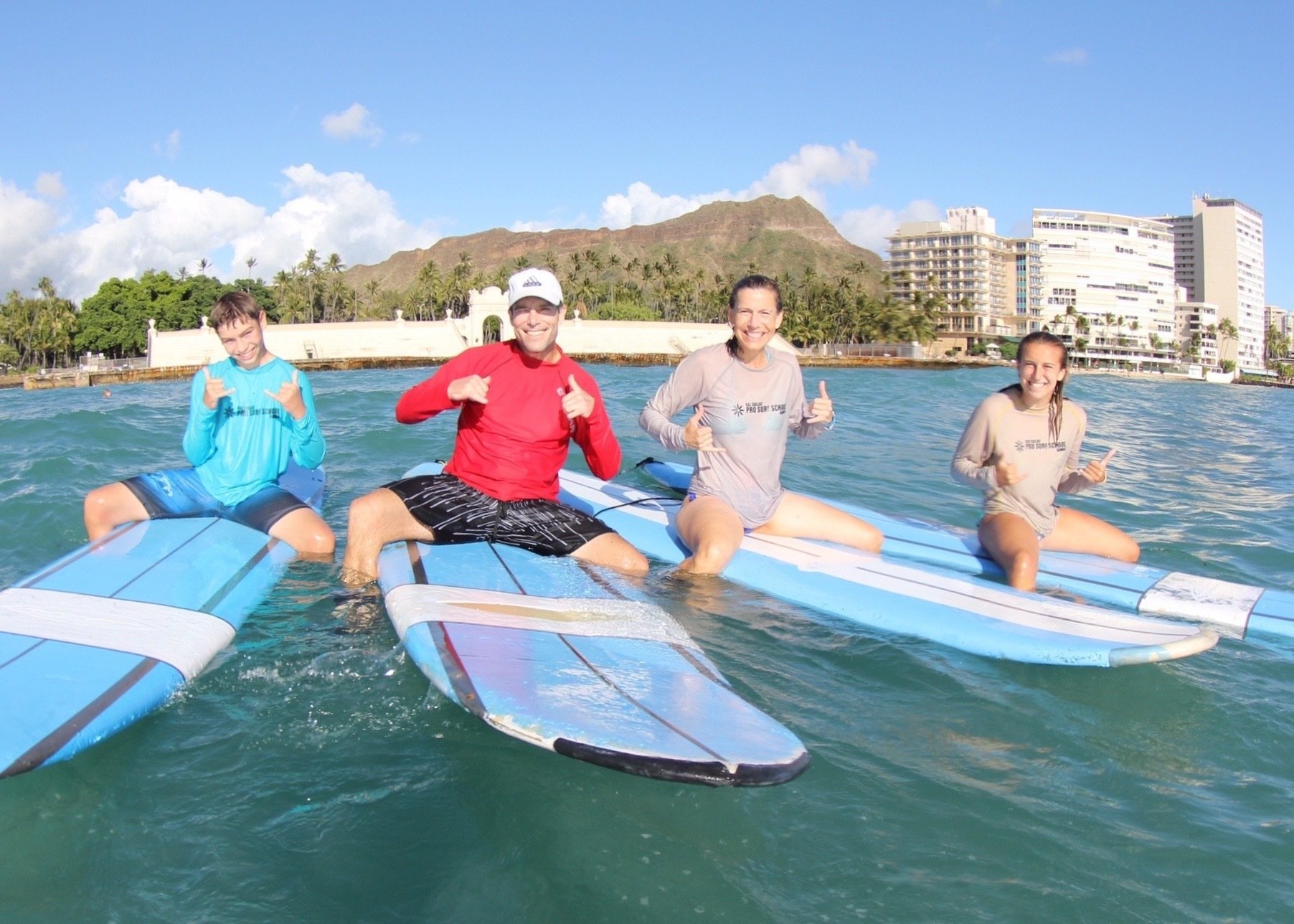
Ride the iconic waves of Waikiki with expert guidance, reef-safe gear, and small group instruction.
4 hours
Free Cancellation
Snorkel with sea turtles, kayak, paddleboard, and enjoy a scenic Hawaiian cruise with free hotel pickup
2 hours
Free Cancellation
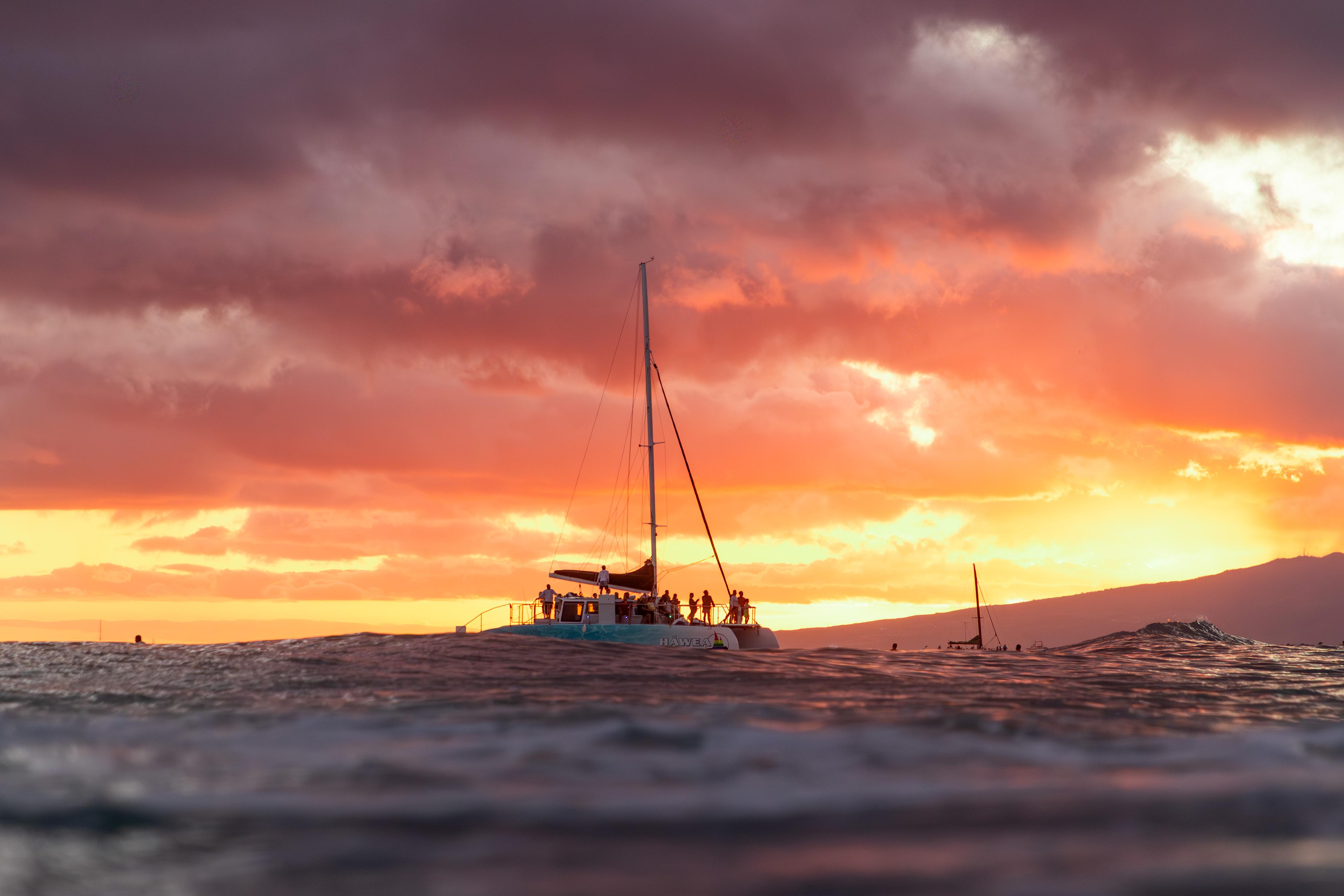
Sail along Oahu's coastline at golden hour, swim in Pacific waters, and watch the sky ignite with color
1 hour 30 minutes
Free Cancellation
Glide along Honolulu's coast on a handcrafted 50-foot catamaran as the sky transforms at golden hour
2 hours
Free Cancellation
Learn to surf at an uncrowded spot just outside Waikiki with professional instructors in small groups.
50 minutes
Free Cancellation
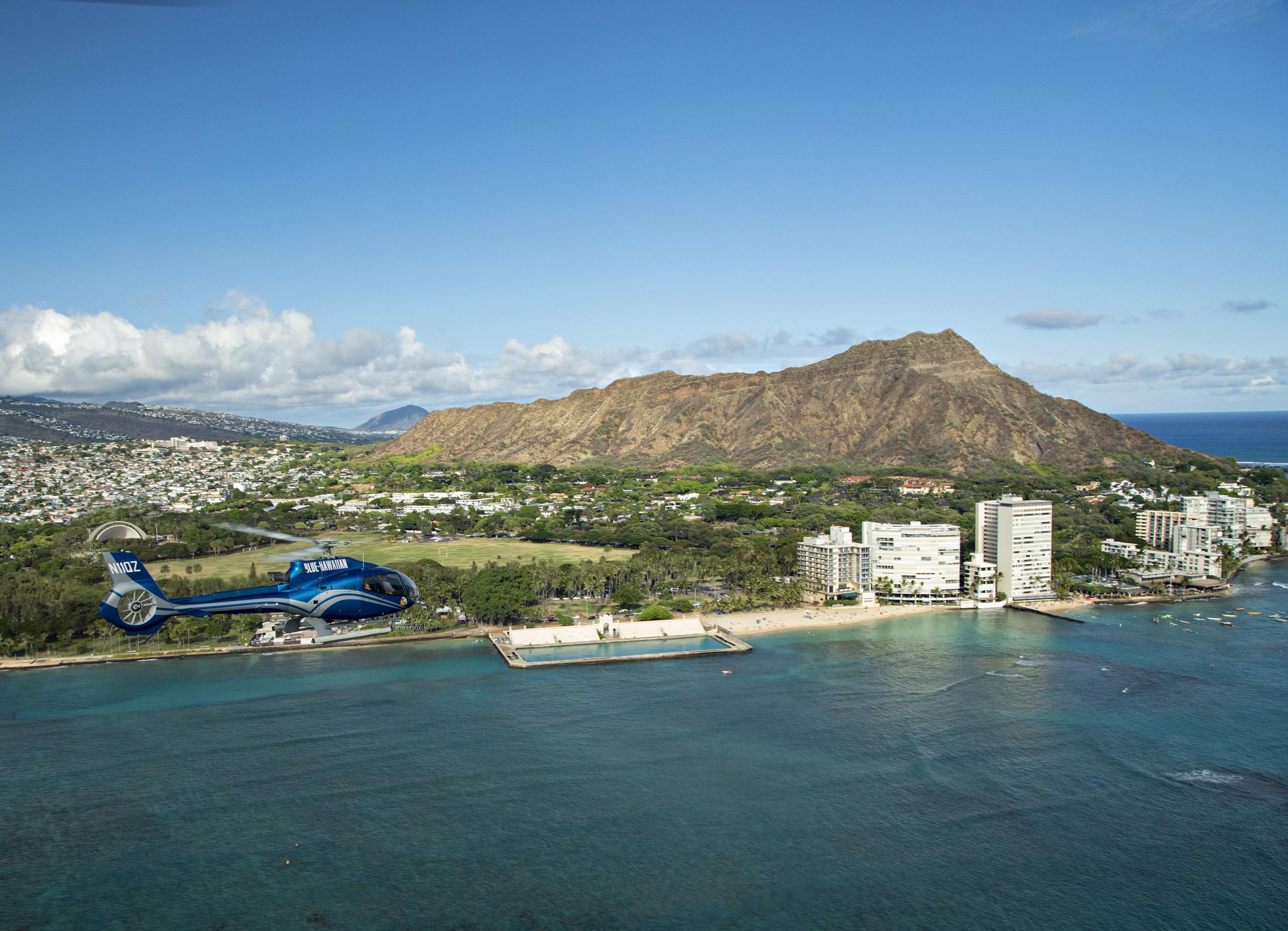
Soar above Pearl Harbor, Diamond Head, and Waikiki's reefs on this 50-minute aerial adventure
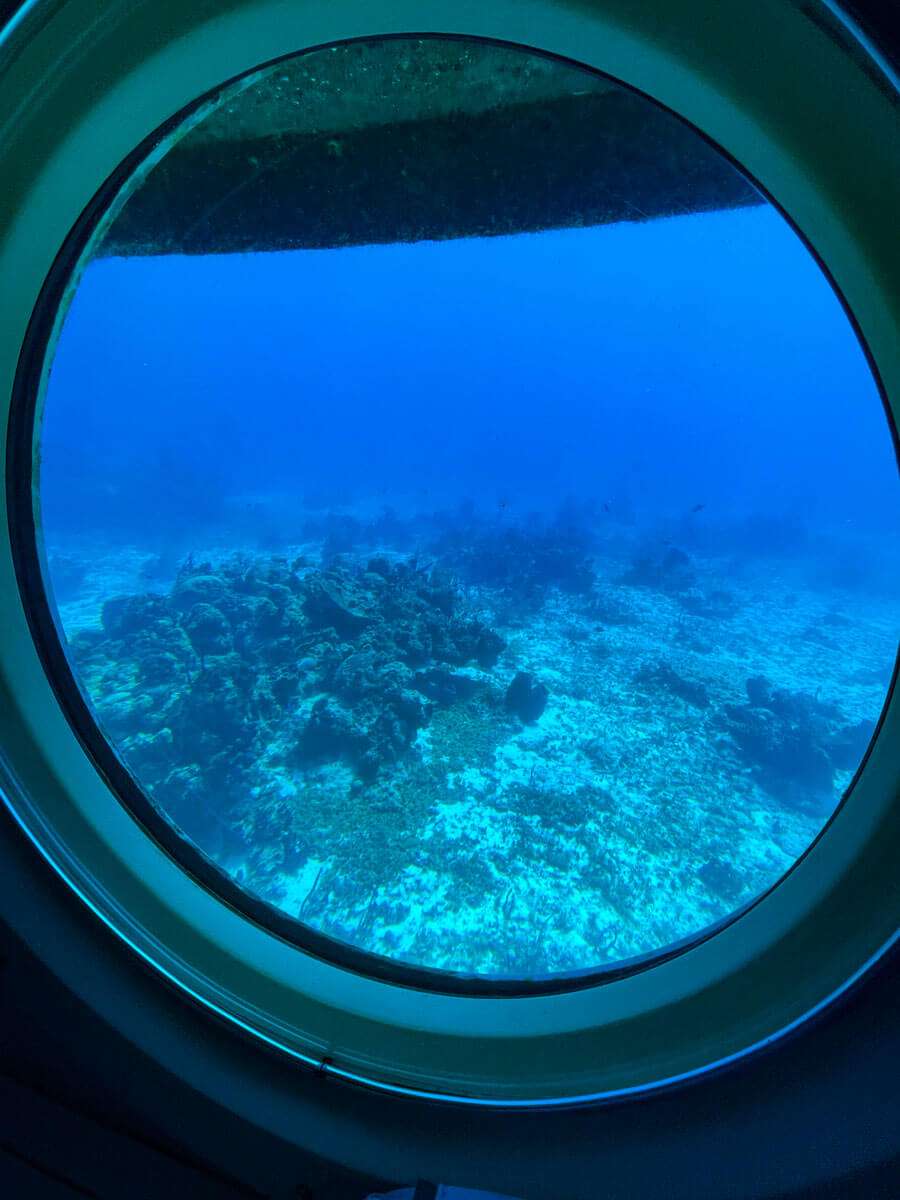
The submarine descends along a designated reef corridor off Waikiki where passengers view coral formations and reef fish through thick acrylic viewports roughly three feet in diameter. Visibility along this stretch commonly exceeds 100 feet on calm days.
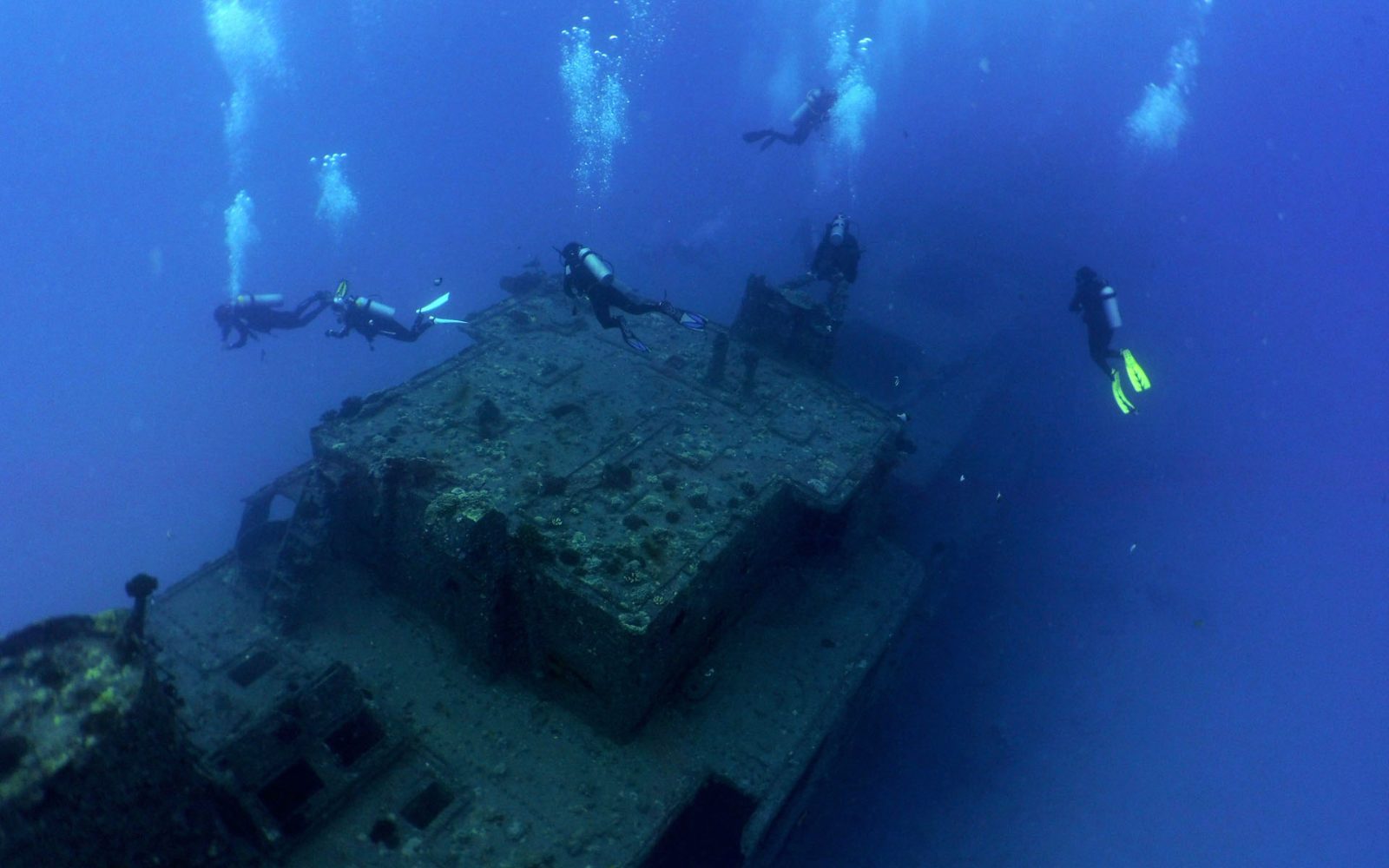
A sunken vessel intentionally placed along the dive route serves as an artificial reef, now colonized by fish and coral growth after years underwater. The wreck gives passengers a fixed landmark to spot mid-tour through the viewports.
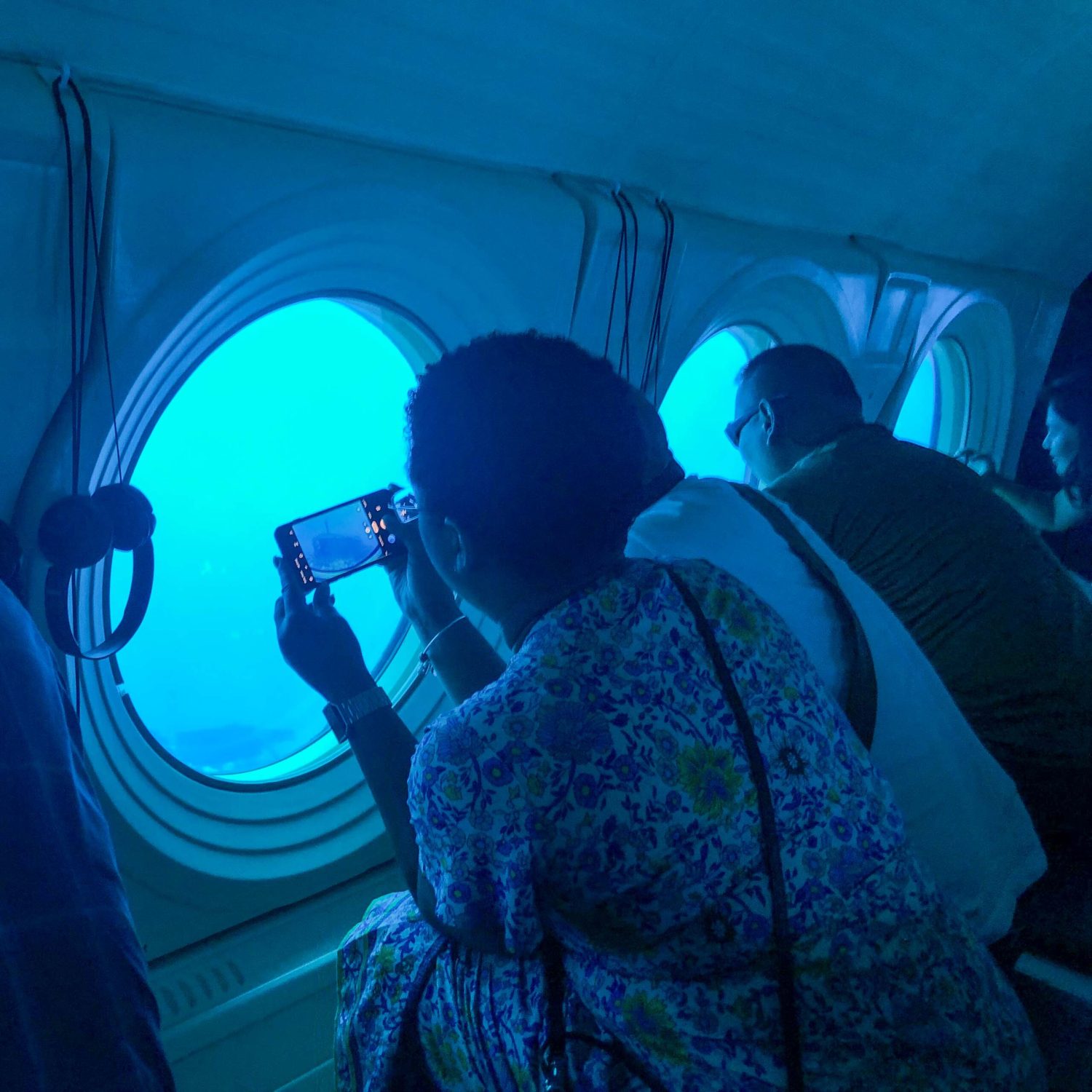
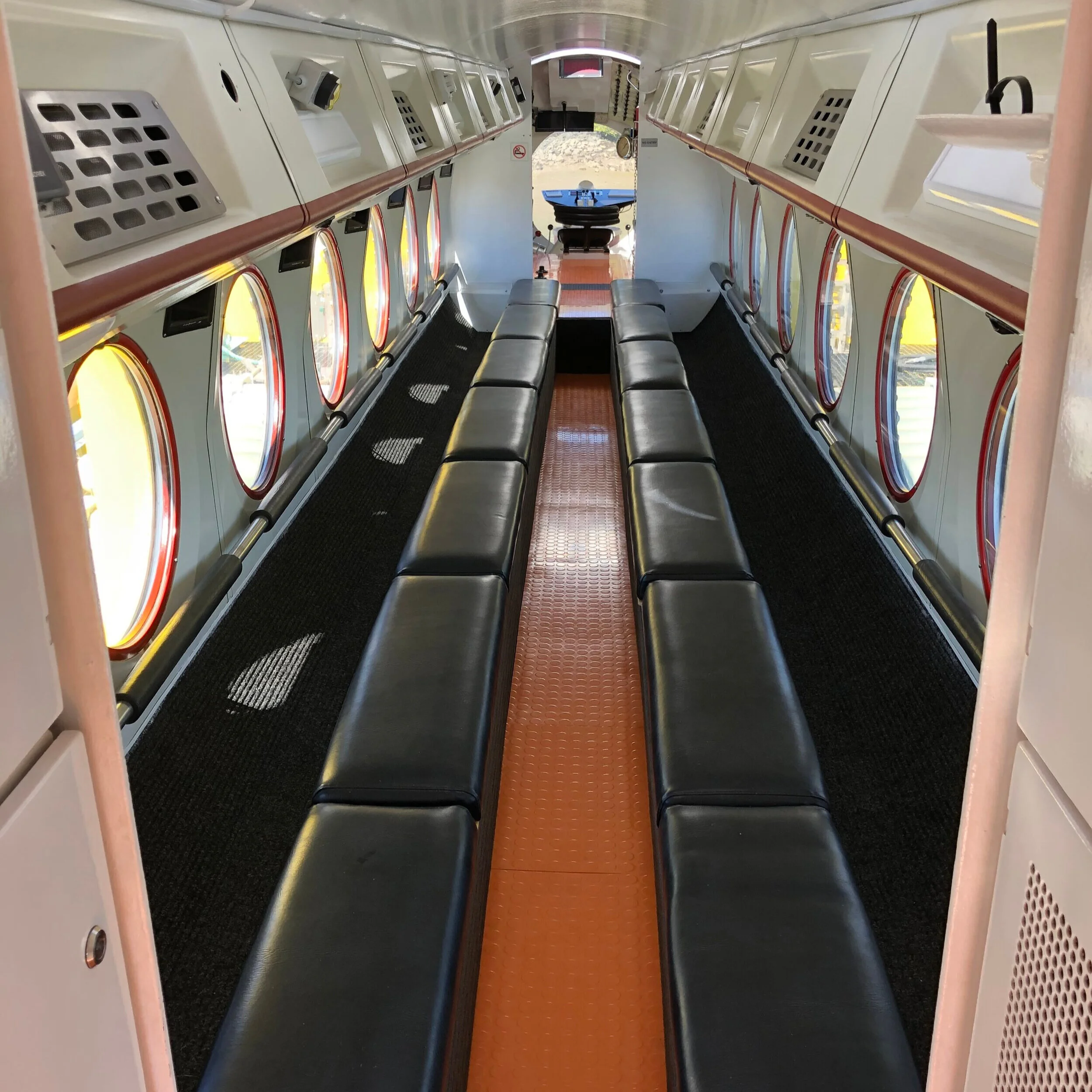
The passenger cabin lines both sides with round acrylic windows angled for seated viewing, built to withstand the pressure of depths the vessel reaches during the dive. Each seat faces outward directly toward the windows rather than a center aisle.
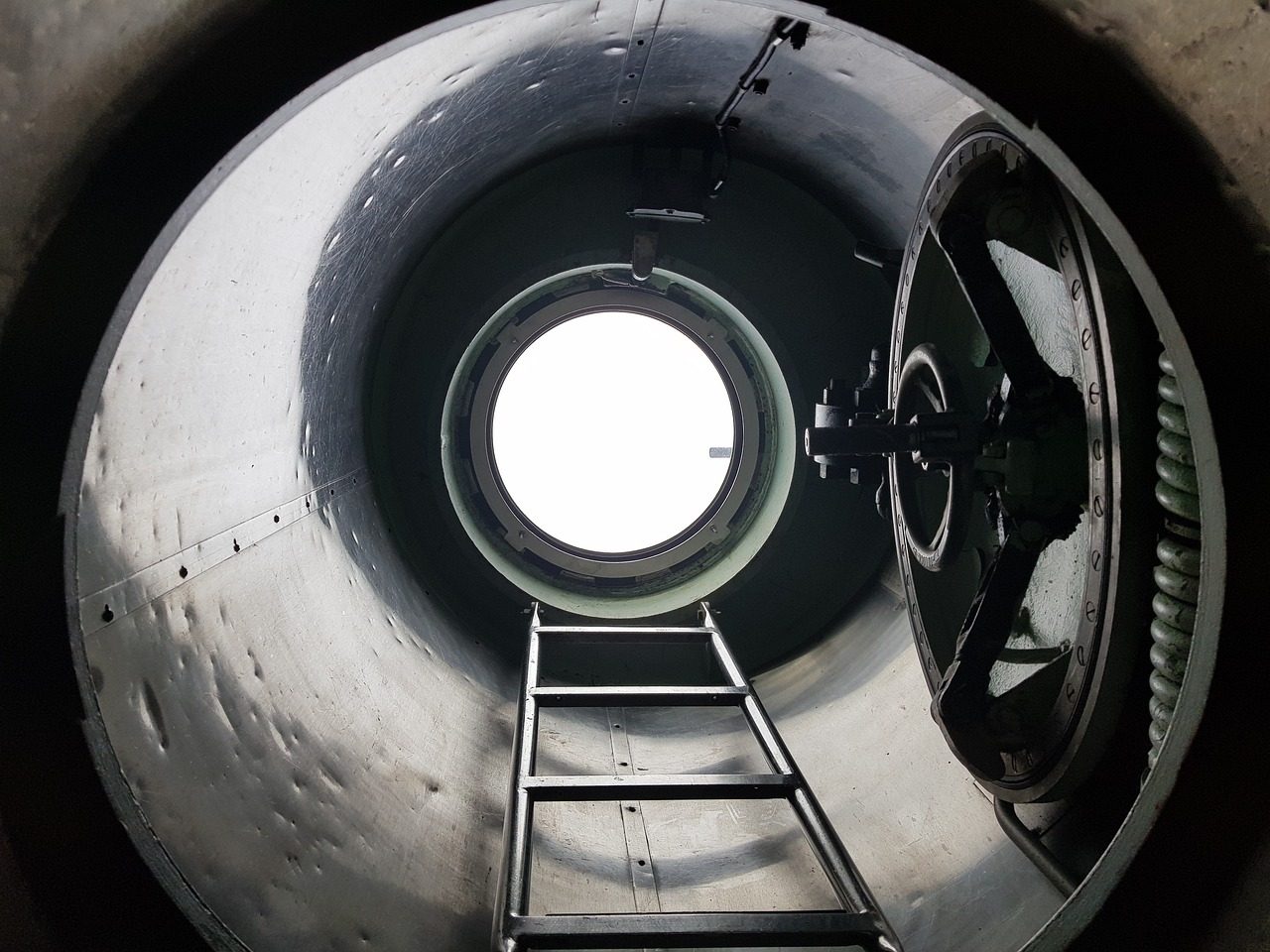
Boarding the submarine requires climbing down a narrow steel ladder through a top hatch, a distinctive moment in the visit that shifts passengers from open-air boat deck to sealed underwater cabin.
All the details about your upcoming adventure in one place
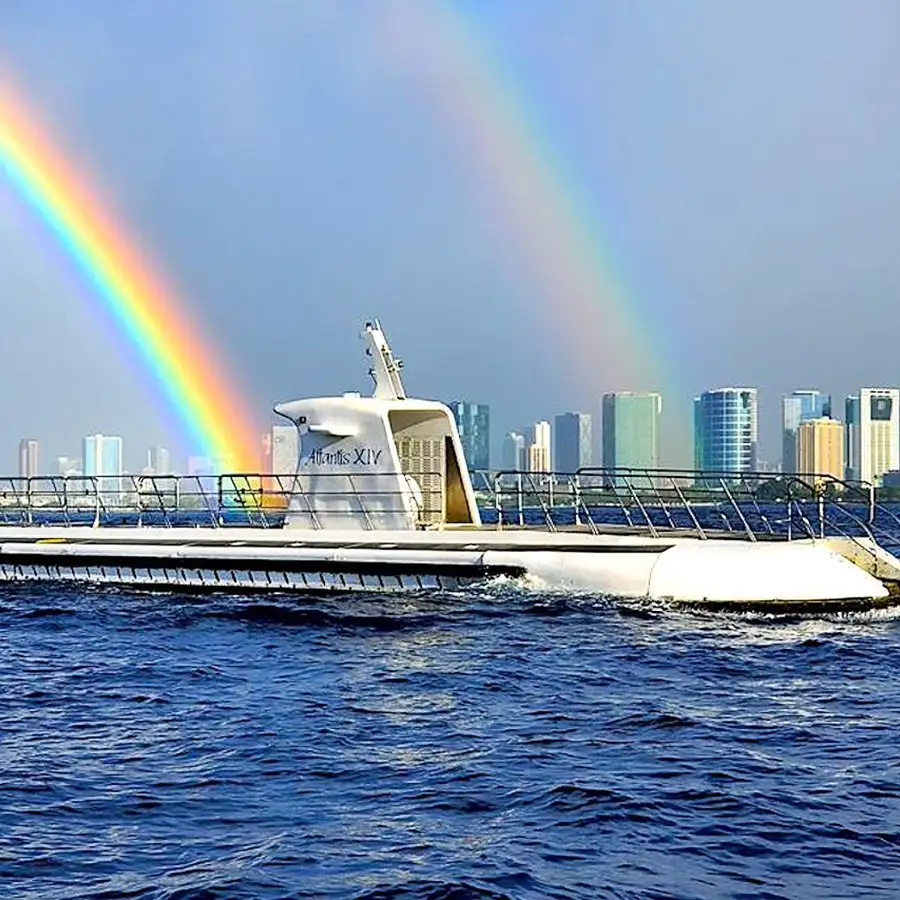
The 64-passenger Atlantis XIV submarine operates from Honolulu Harbor at a depth range no snorkeler or conventional tour boat can match.
Commissioned in 1988 and refitted with panoramic viewports in 2003, the vessel descends along a submerged volcanic slope where the ocean floor drops from 30 to 100 feet within a quarter-mile. Each dive window frames staghorn coral colonies, schools of yellow tang, and the deliberate geometry of artificial reefs constructed from decommissioned vessels and concrete modules.
Submarine tour Waikiki Beach operations serve a coastline where visibility averages 80 feet and water temperature holds at 77°F year-round. The descent route passes three distinct benthic zones: the shallow reef plateau where green sea turtles forage on limu kohu algae, the mid-depth shelf colonized by cauliflower coral and pencil urchins, and the sand channel where spotted eagle rays glide in formation. Narration identifies species by both common and Hawaiian names — humuhumunukunukuapua'a triggerfish, hinalea wrasse, kala surgeonfish — while the pilot maintains neutral buoyancy with ballast adjustments audible through the hull.
The submarine's route incorporates two purpose-sunk wrecks: a 1950s YO-257 fuel barge resting at 90 feet, now encrusted with orange cup coral and patrolled by whitetip reef sharks, and a smaller landing craft whose open cargo bay shelters moray eels and octopuses. Surface vessels cannot approach these sites safely; free diving reaches them only briefly. The pressurized cabin eliminates decompression concerns and weather cancellations, operating in swells that ground glass-bottom boats. Viewports extend below the waterline on both sides, eliminating the surface glare that distorts reef photography from above.
Atlantis Submarines has logged over 13 million passenger dives across its Pacific fleet since 1985 without a hull breach or pressure failure. The Waikiki operation runs seven daily departures from a dedicated pier at 1085 Ala Moana Boulevard, where a shuttle boat ferries passengers to the dive site three-quarters of a mile offshore. Federal maritime certification requires annual pressure testing and monthly emergency drills. The experience translates complex marine ecology into accessible observation — no wetsuit, no regulator, no certification required.
The pressurized cabin eliminates decompression concerns and weather cancellations, operating in swells that ground glass-bottom boats.
Boarding passes for the Waikiki submarine tour can typically be changed or refunded when cancellation is requested at least 24 hours before the scheduled departure time. There is no separate entrance or gate fee since entry is 0 USD; the only charge is the tour boarding pass itself.
Weather · crowds · average price — dots go green to amber to red as each metric rises.
Trade winds keep harbor waters calm and visibility good for the submarine tour Waikiki Beach route. Crowds are lighter than summer, with pleasant mid-70s to low-80s temperatures.
Peak tourist season brings the busiest boarding lines and warmest air temperatures near the mid-80s. Underwater visibility stays strong but morning departures fill first.
Current shoulder season conditions bring fewer crowds and calmer seas, making September and October favorable months for a submarine tour Waikiki Beach outing. Water temperatures remain warm into November.
Occasional winter swells can affect surface boat comfort and, rarely, cause delays. Trade winds are lighter but surf from north swells can churn nearshore water clarity.
The 07:30–09:00 arrival window sees shorter check-in lines and calmer harbor water for the boat transfer out to the submarine.
The tender boat deck and submarine ladder can be slippery when wet, so grippy shoes make boarding easier.
Bring only a small bag since there's no storage space aboard the submarine cabin itself.
Rougher surf from winter swells can occasionally shorten the surface transfer route, so checking conditions the morning of your submarine tour Waikiki Beach departure is worthwhile.
Seating is assigned but arriving promptly after boarding lets staff seat groups together near the windows.
The dive lasts around 40 minutes with continuous viewing opportunities, so a charged phone or camera avoids missed shots of the reef.
The check-in time printed on the pass is earlier than the actual submarine departure to allow for the tender boat transfer.
The submarine tour waikiki beach operation traces its roots to 1988, when Atlantis Submarines launched the first passenger submarine service in Hawaiian waters. Founded by Dennis Hurd and Terry White, the venture adapted commercial submarine technology originally developed for offshore oil inspection into a tourism platform. The company commissioned purpose-built vessels from International Hydrodynamics in Vancouver, each weighing 80 tons and certified to carry 48 passengers to depths of 100 feet. The first Atlantis submarine arrived in Honolulu aboard a cargo ship and began daily dives from Waikiki's harbor, targeting the artificial reef systems and sunken vessels that had accumulated off the southern Oahu coast. By 1991, the fleet expanded to three submarines operating in Hawaiian waters, with the Waikiki route becoming the flagship offering. Engineers modified the original oil-platform design to include large acrylic viewports and air-conditioned passenger cabins, addressing early complaints about claustrophobia and heat. A partnership with Hilton Hawaiian Village in 1993 formalized the check-in location at 1085 Ala Moana Boulevard, streamlining the shore-to-submarine shuttle process. The company survived the post-September 11 tourism collapse by pivoting to inter-island marketing and securing contracts with Japanese tour operators. The modern submarine tour waikiki beach tickets grant access to vessels that undergo annual recertification by the U.S. Coast Guard and classification societies. In 2004, Atlantis sank the decommissioned YO-257 Navy fuel barge to create a dedicated dive site visible from the submarine's route. The operation now runs seven days a week from dawn to mid-afternoon, with each 45-minute dive covering roughly two nautical miles. The Waikiki fleet replaced its original hydraulic systems with electric thrusters in 2019, reducing noise and improving maneuverability around coral formations.
Atlantis Submarines launches first passenger submarine service in Waikiki, using vessels built in Vancouver for 48-passenger tourism dives.
Fleet expands to three submarines operating in Hawaiian waters, with Waikiki becoming the primary route for artificial reef exploration.
Partnership with Hilton Hawaiian Village establishes permanent shore-side check-in facility at 1085 Ala Moana Boulevard.
Company sinks decommissioned YO-257 Navy barge off Waikiki coast to create dedicated artificial reef dive site.
Electric thruster systems replace original hydraulic propulsion, reducing underwater noise and improving coral-area navigation.
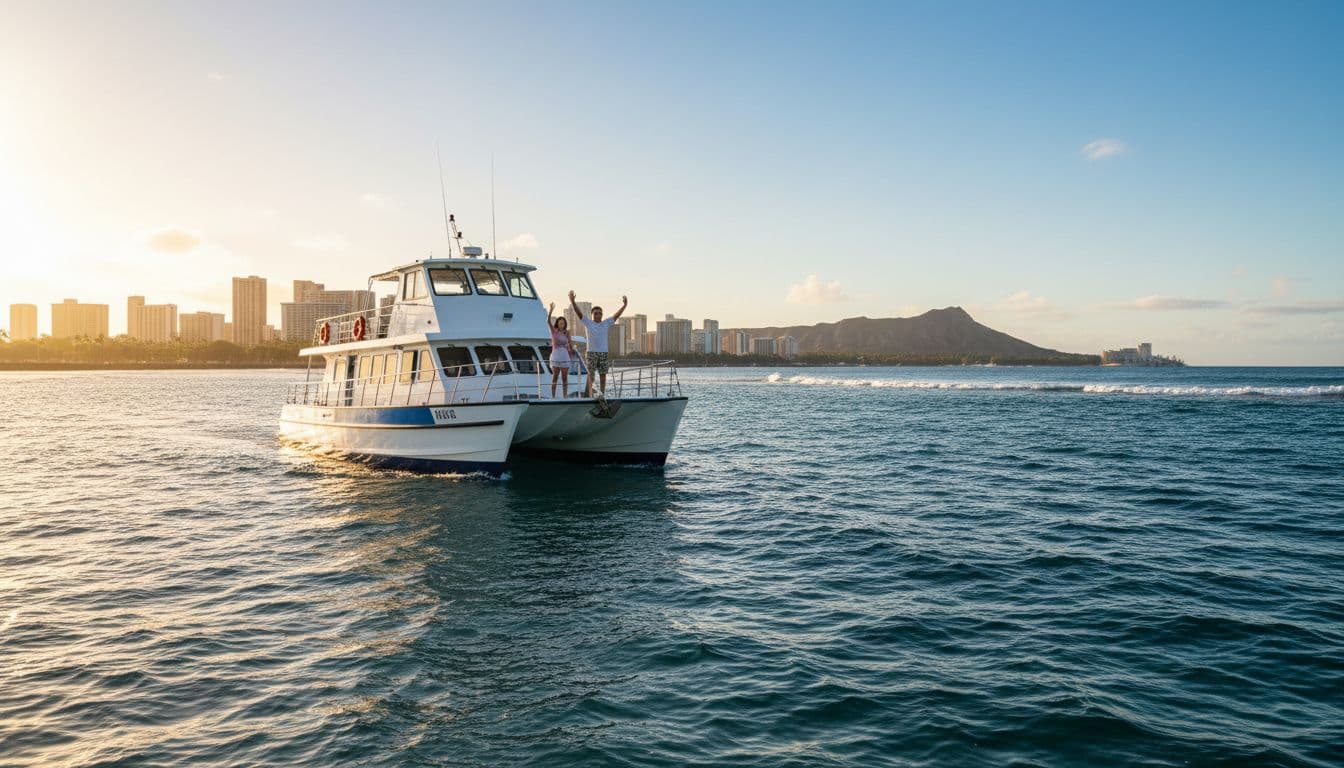
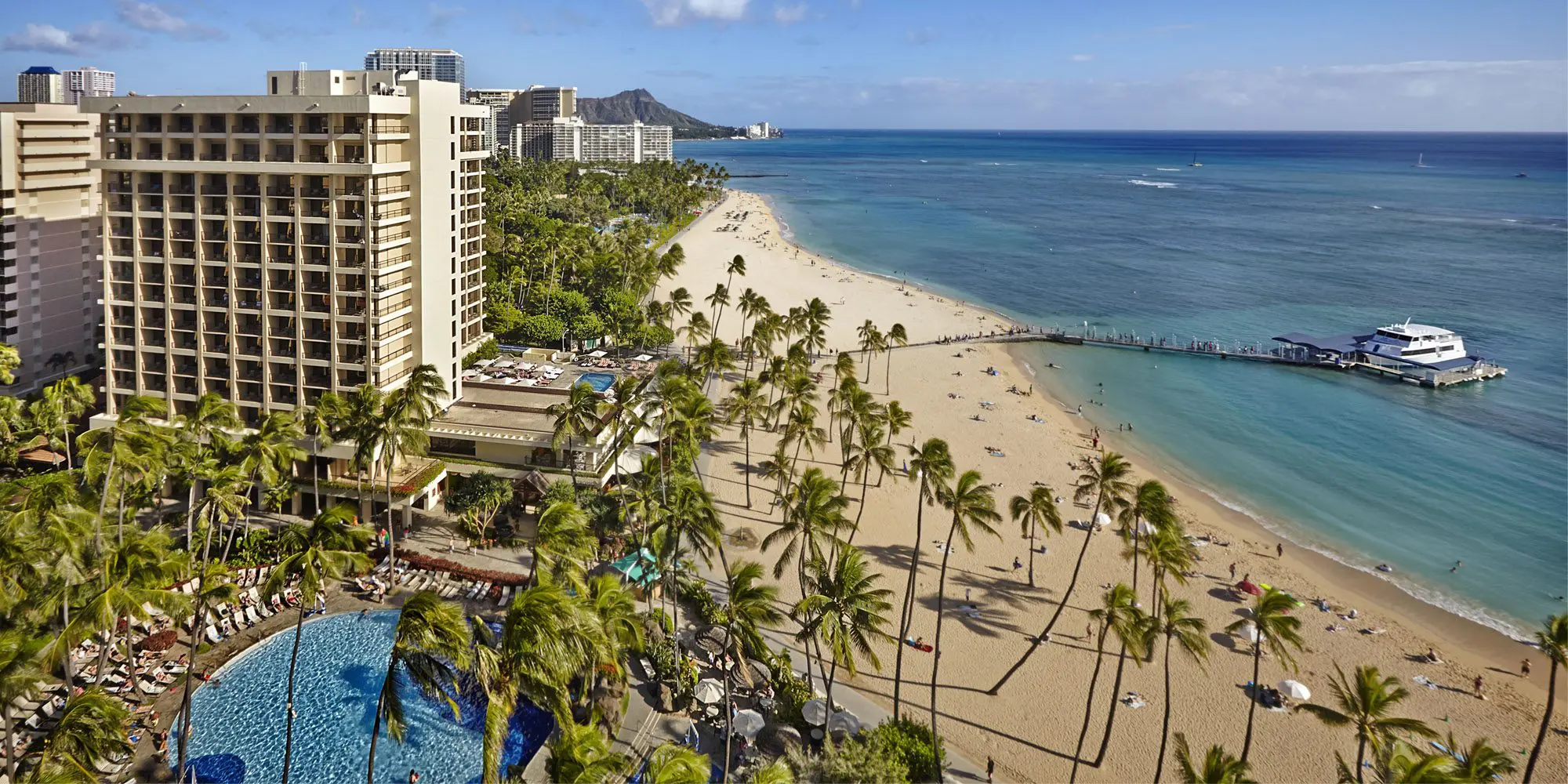
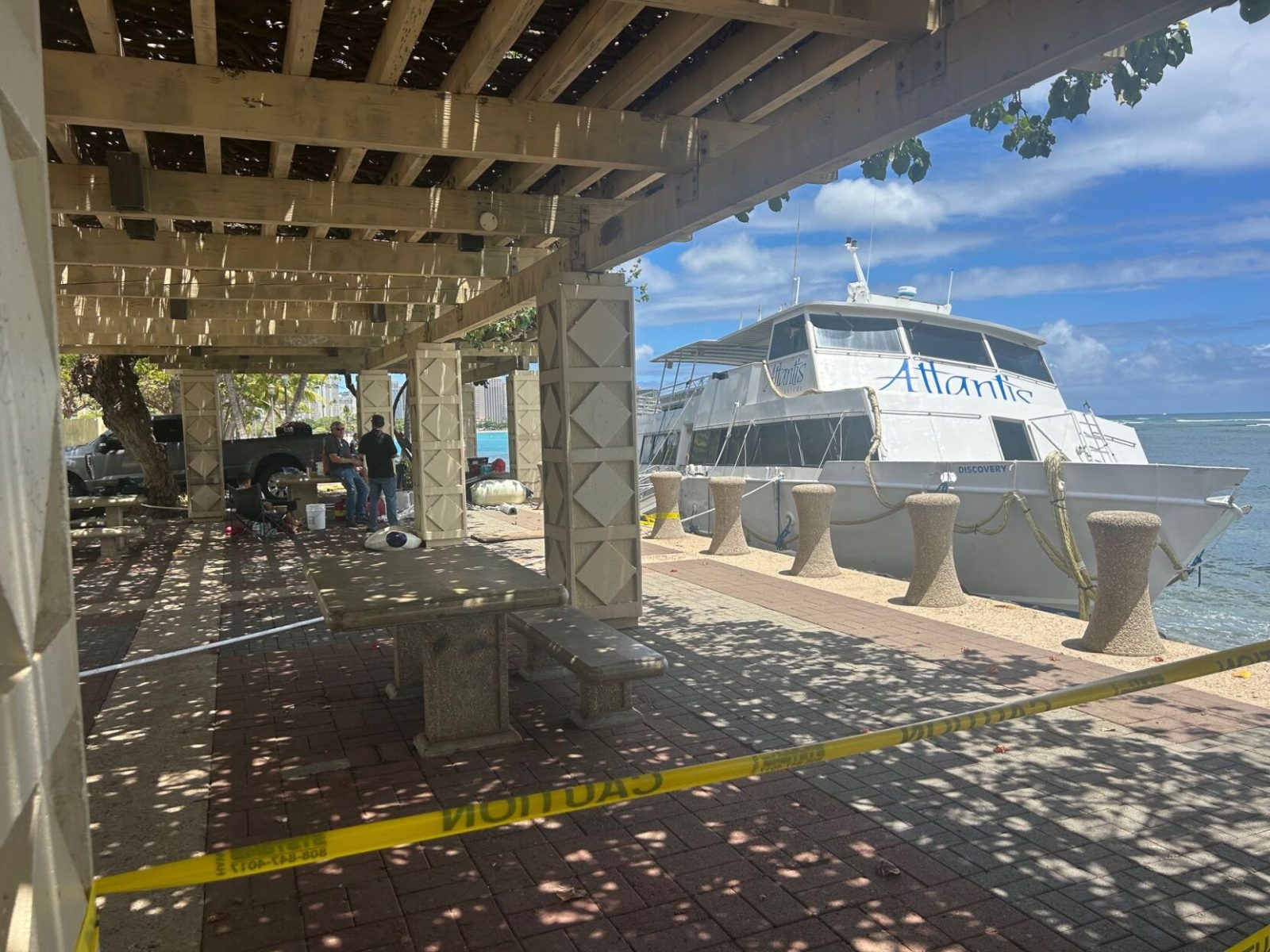
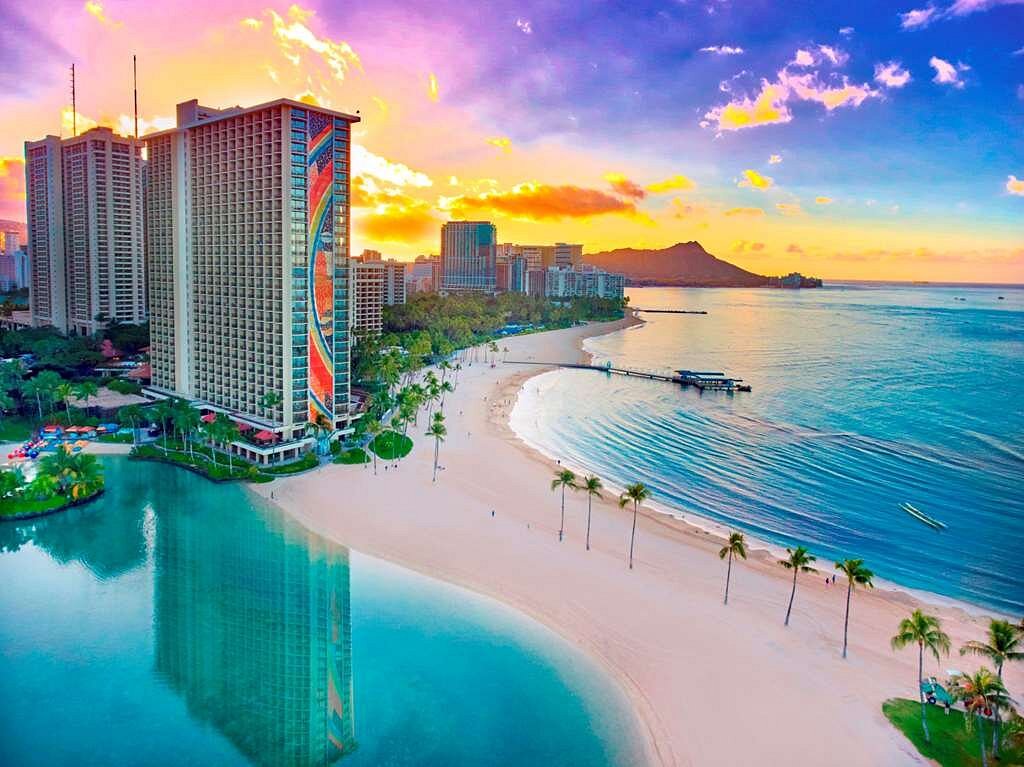
The catamaran shuttle departs from this pier fronting the Hilton lagoon, with Diamond Head visible in the distance behind the boats. Stand near the boarding ramp before departure for a clean shot of the submarine tender boat against the mountain backdrop. Access is limited to ticketed passengers during boarding windows.
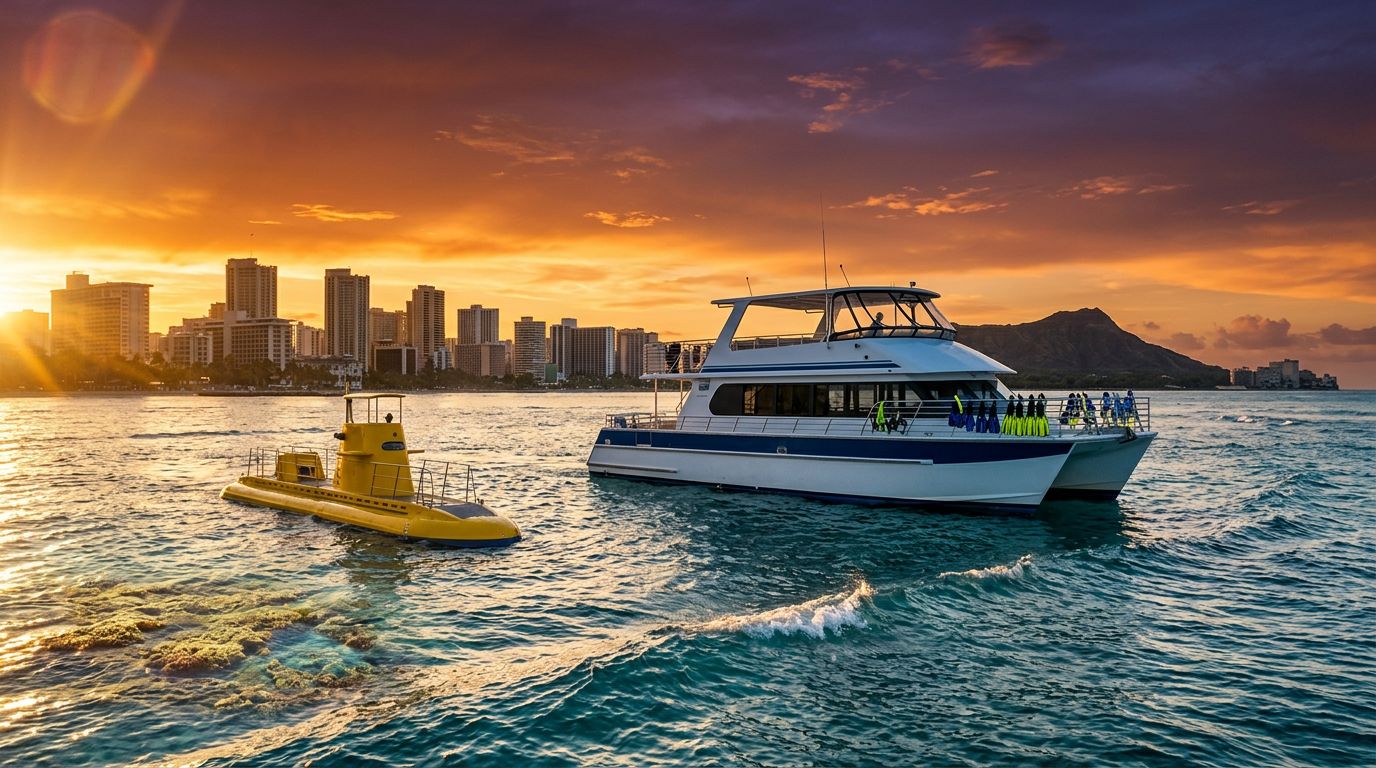
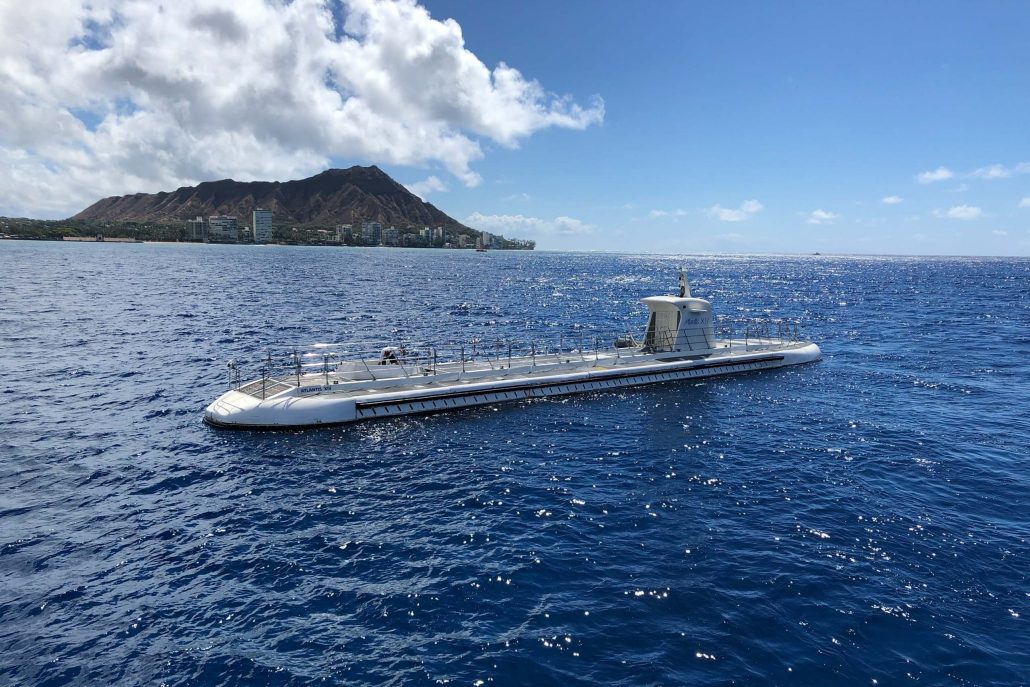
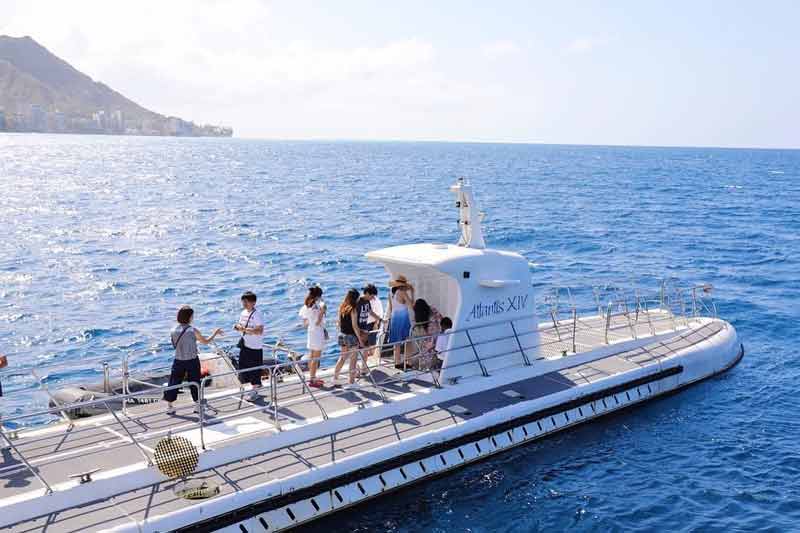
This is where guests transfer from the shuttle catamaran onto the actual submarine hatch, a distinctive yellow-and-white vessel bobbing just offshore from Waikiki. The best angle is from the shuttle deck as the sub surfaces and opens its hatch. Only accessible to those on a booked submarine tour waikiki beach departure.
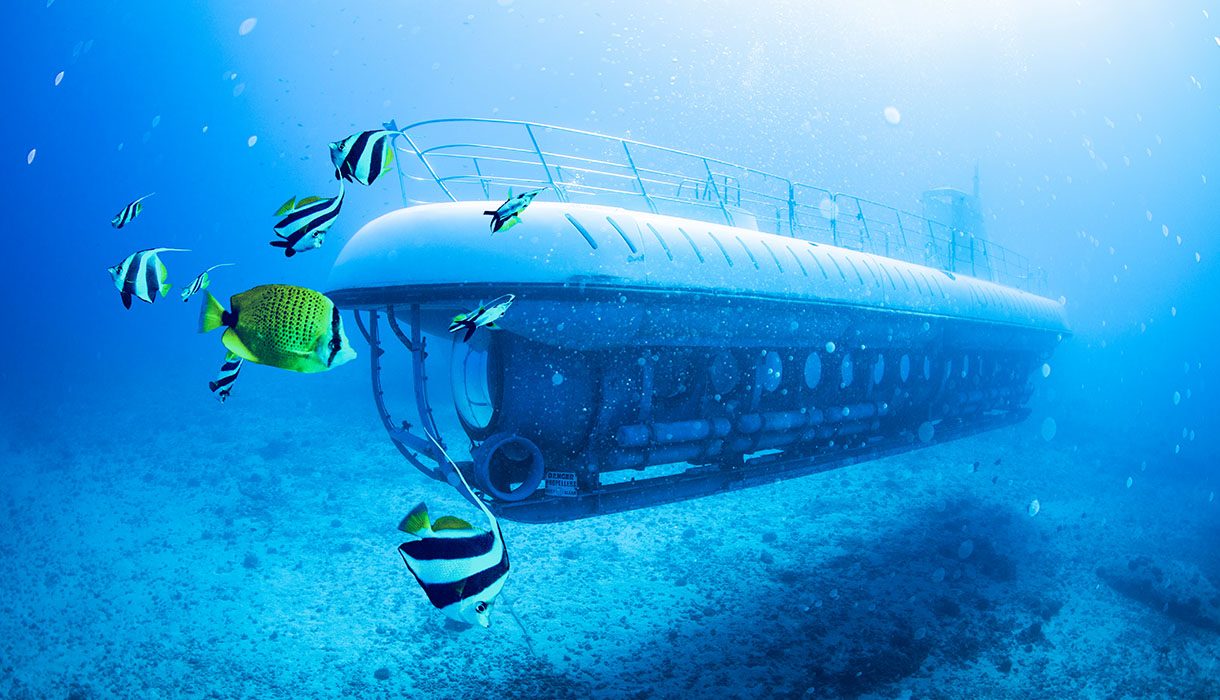
Inside the sub, the round viewports lining both sides frame passing reef fish and the sunken Mahi wreck; passengers can angle a phone camera flush against the glass for a clear shot. Seating is assigned so window access depends on your ticket position. No flash photography works well against the glass.
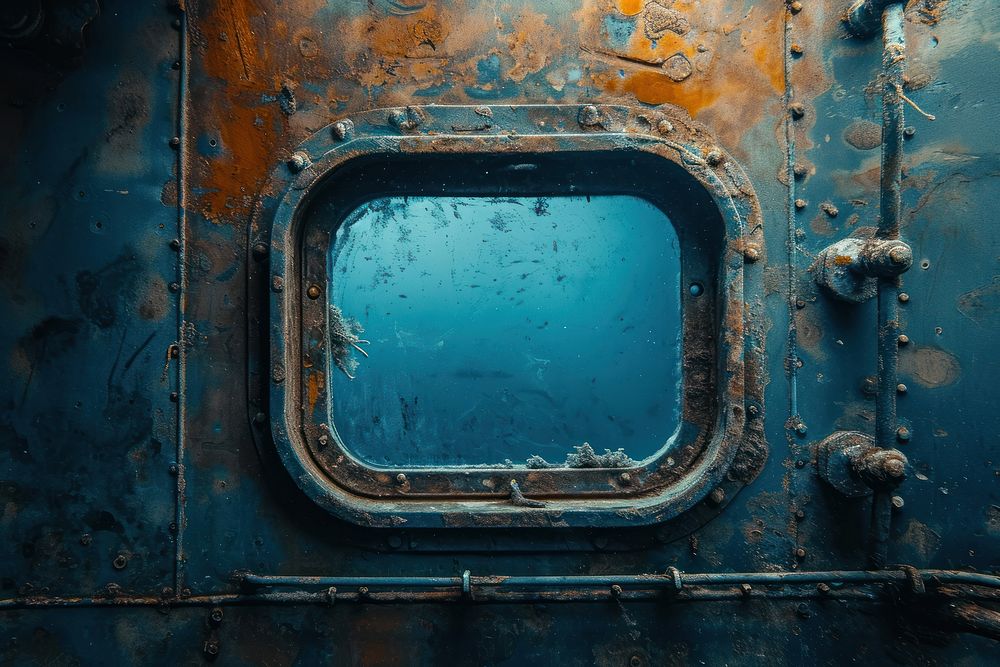
The vessel's route passes directly over the YO-257 and Mahi shipwrecks, resting roughly 100 feet down and now covered in coral growth. This is the signature photo moment of the entire submarine tour waikiki beach tour, best captured through the nearest viewport as the sub slows to circle the wreck.
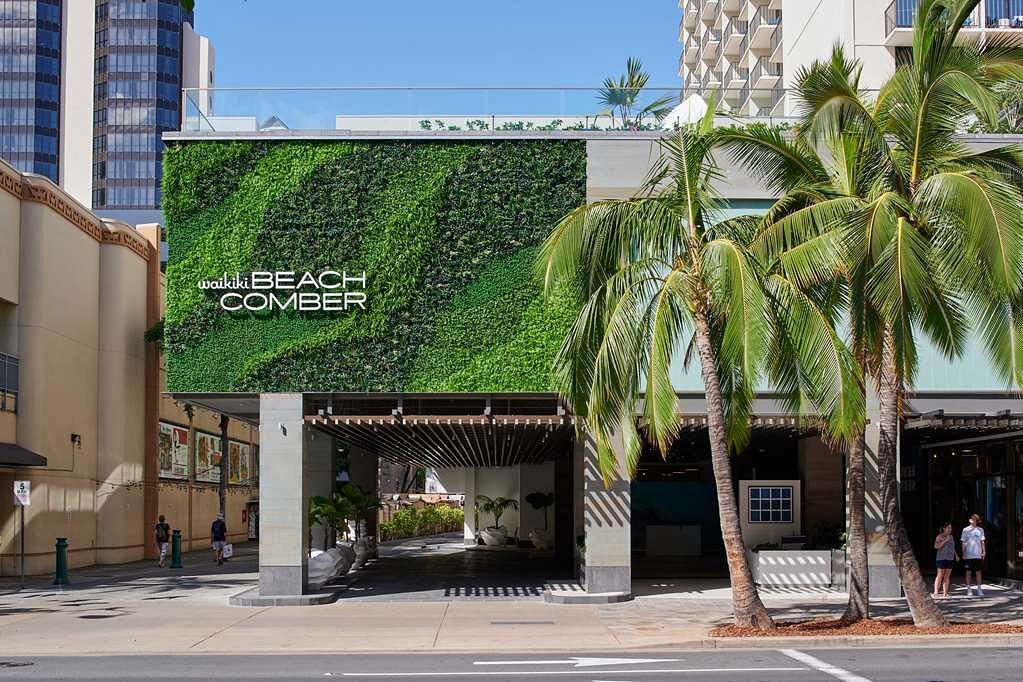
Useful for a quick arrival photo before heading to the shuttle dock. Best captured right after check-in before the crowd moves toward boarding.
A submarine tour waikiki beach outing means a boat transfer before the dive, so plan for two boarding stages rather than one straight walk-on. Kids find the porthole seating and blue water views absorbing, but the transitions take some steering with little ones in tow.
Strollers cannot come aboard the tender boat or the submarine itself, so fold and stash yours at the check-in counter near the pier before boarding. Bring a lightweight carrier or just plan to carry toddlers during the shuttle ride out to the dive point.
The submarine has fixed bench seating with one porthole per seat, so seat kids next to a window early rather than mid-dive. Aisles are narrow, so settle bags and jackets before the boat starts moving.
Build in buffer time before the tender boat departure, since the harbor transfer and boarding process happens in stages rather than a single line. Arriving well ahead of your slot keeps nap schedules from colliding with the walk to the pier and the boat ride out.
Use the restroom at the check-in building before boarding, since there are no baby-change facilities or bathrooms on the tender boat or submarine. Change diapers and top off water bottles on land, not mid-tour.
The shuttle boat and submarine both involve gentle rocking, which can unsettle younger kids more than older ones. A light snack beforehand and sitting near a porthole for a visual anchor tends to help.
There is no restaurant right at the boarding dock, but the submarine tour waikiki beach departure point sits steps from Aloha Tower Marketplace, so early arrivals can grab coffee or a full breakfast before check-in and refuel nearby after the tour.
Quick espresso and pastries for the 07:30-09:00 arrival window, order fast since lines form right when it opens.
Harborside patio good for a post-submarine lunch, burgers and garlic fries are the draw, gets busy midday.
Plate lunches and loco moco favored by dockworkers and early tour-goers, casual counter service suits a quick stop before boarding.
Waterfront seating with sandwiches and poke bowls, best for unwinding after the tour rather than a rushed breakfast.
Everything you need to know for your journey
Photography is welcome throughout the dive, including through the acrylic viewports, though flash adds little benefit underwater.
Casual, comfortable clothing with closed-toe shoes works best for the boat transfer and the cooler submarine cabin during a submarine tour Waikiki Beach outing.
Boarding passes can generally be changed or refunded when cancellation is requested at least 24 hours ahead of the scheduled submarine tour Waikiki Beach departure.
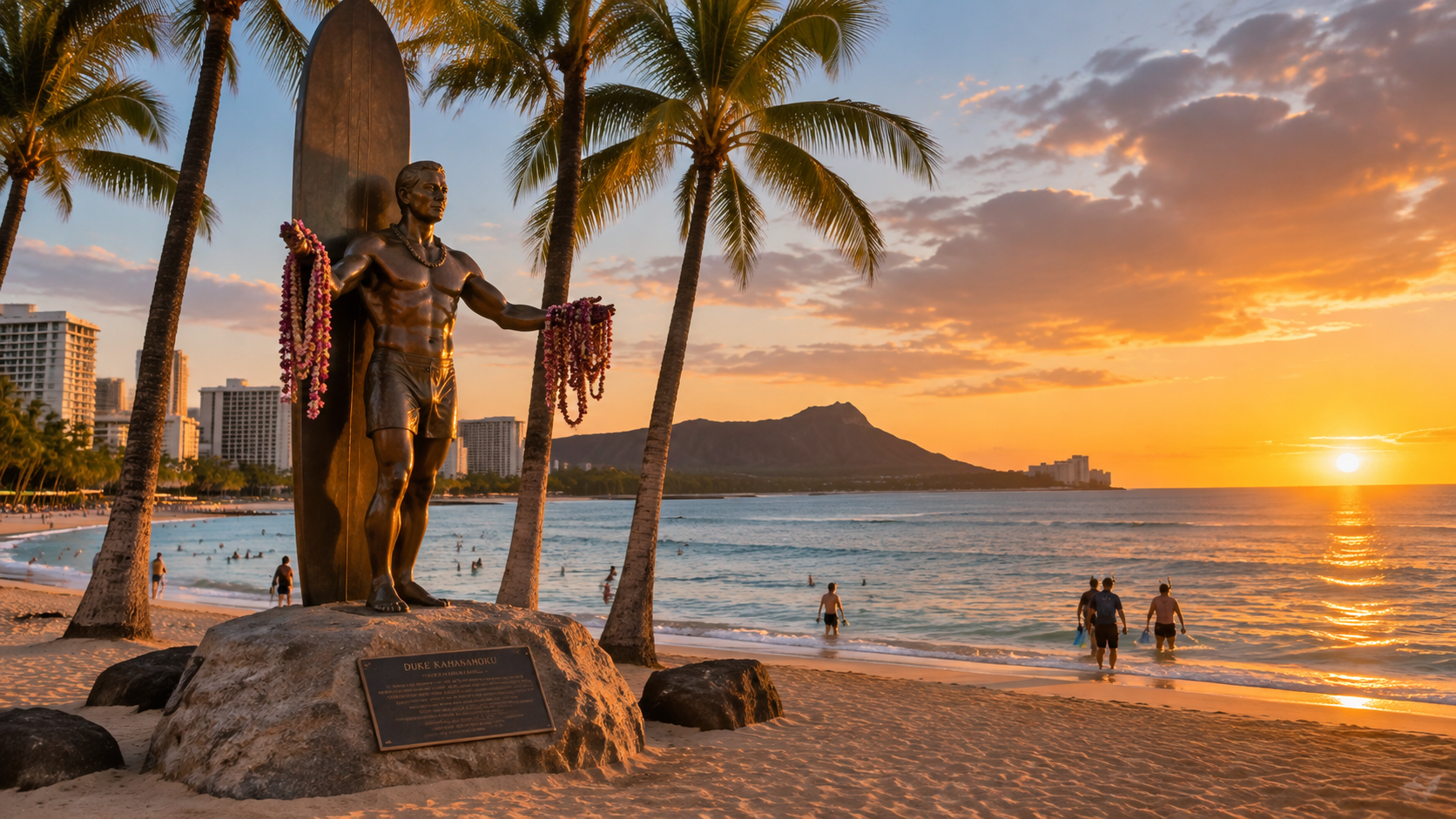
Nearby landmarks within a short walk include the Duke Kahanamoku Statue, Fort DeRussy Beach Park, and Waikiki Beach Walk, with Diamond Head reachable by a short drive.
A bronze statue honoring the Hawaiian swimming champion and surfing ambassador stands near the main stretch of Waikiki Beach. It's a common photo stop for beachgoers before or after boat departures.
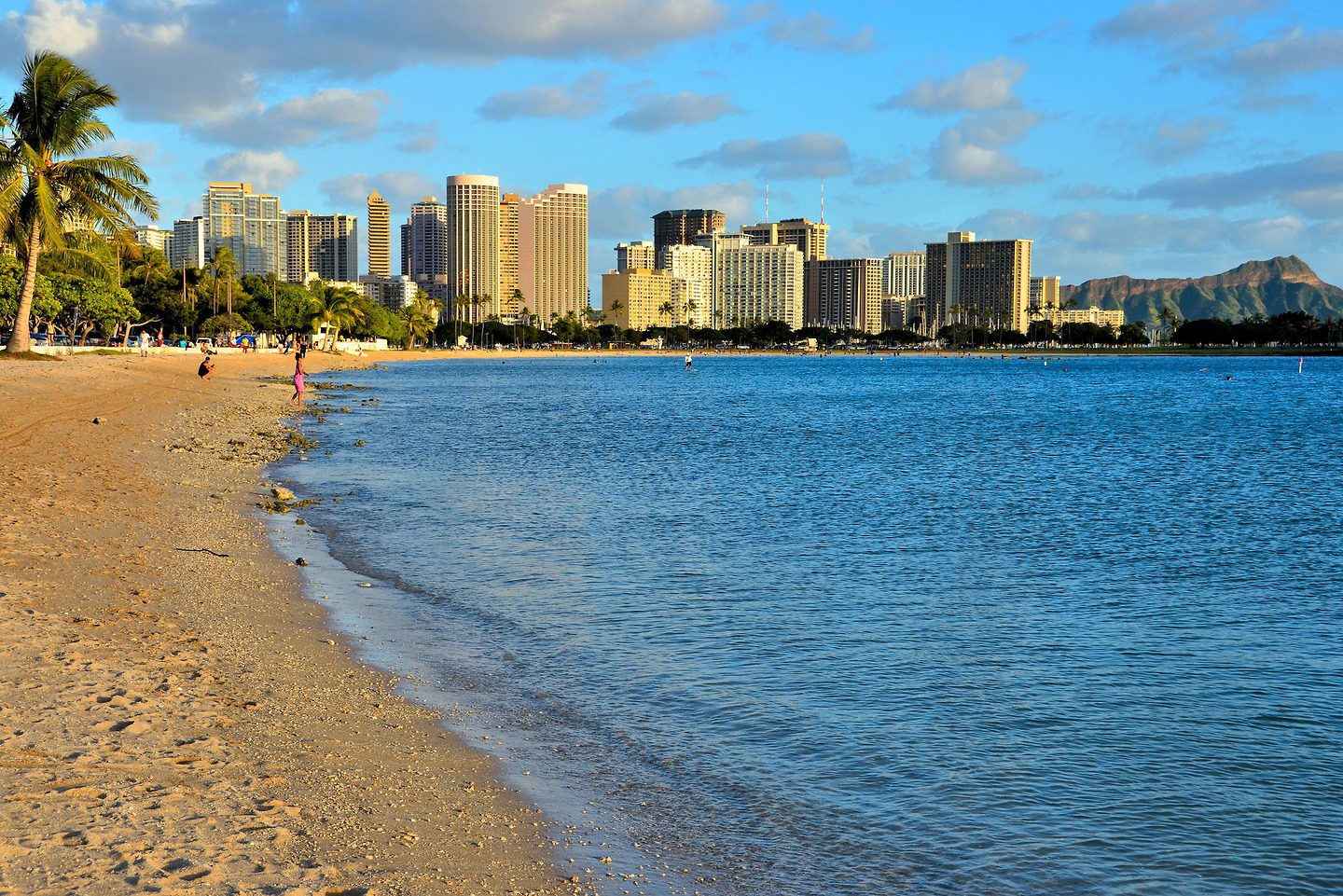
A quieter stretch of sand west of the main Waikiki crowds, backed by a grassy park area popular with local families. It offers a calmer alternative to the busier central beach.
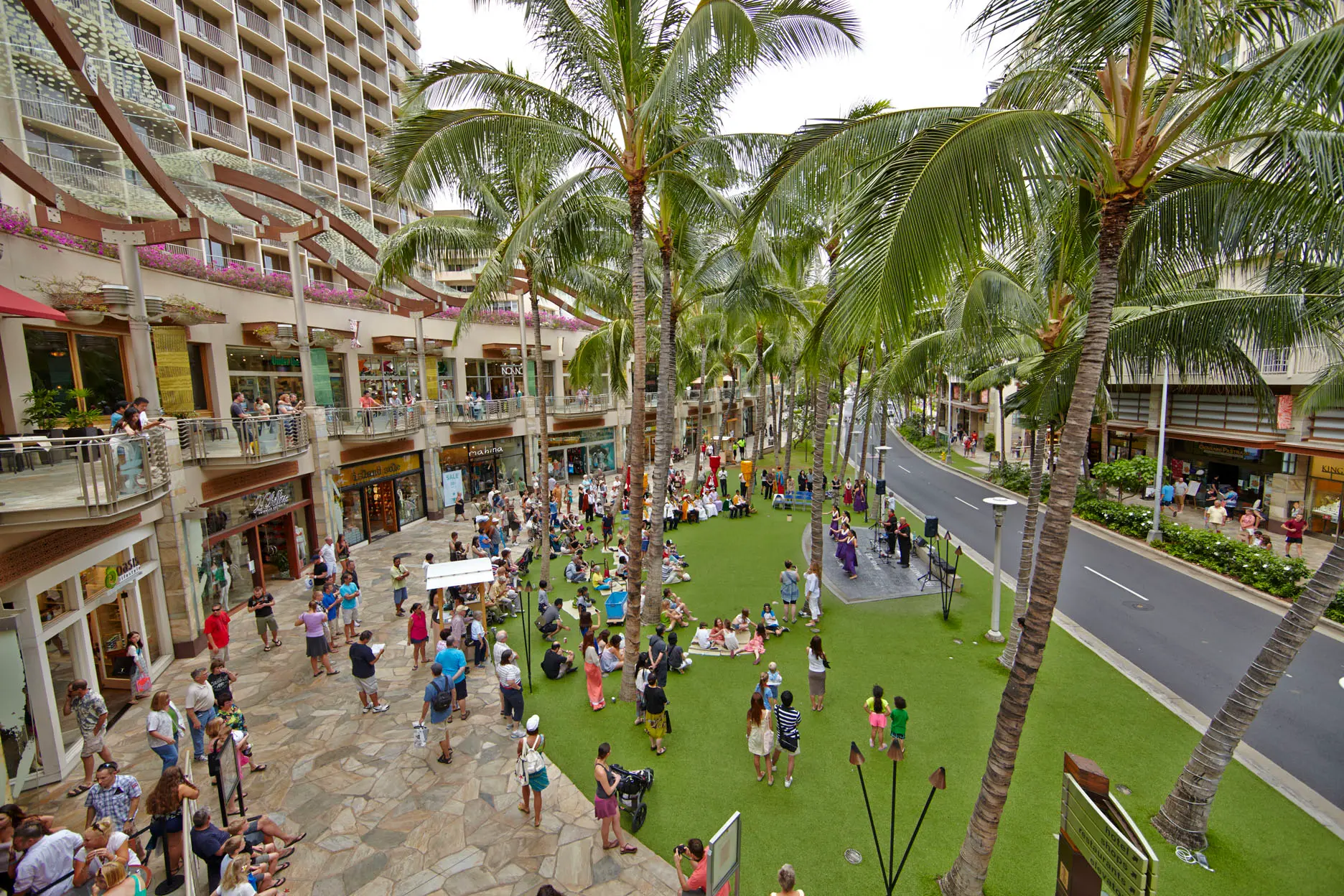
An open-air shopping and dining promenade lined with local boutiques and restaurants a few blocks from the pier. Evening hula performances sometimes take place in the plaza.
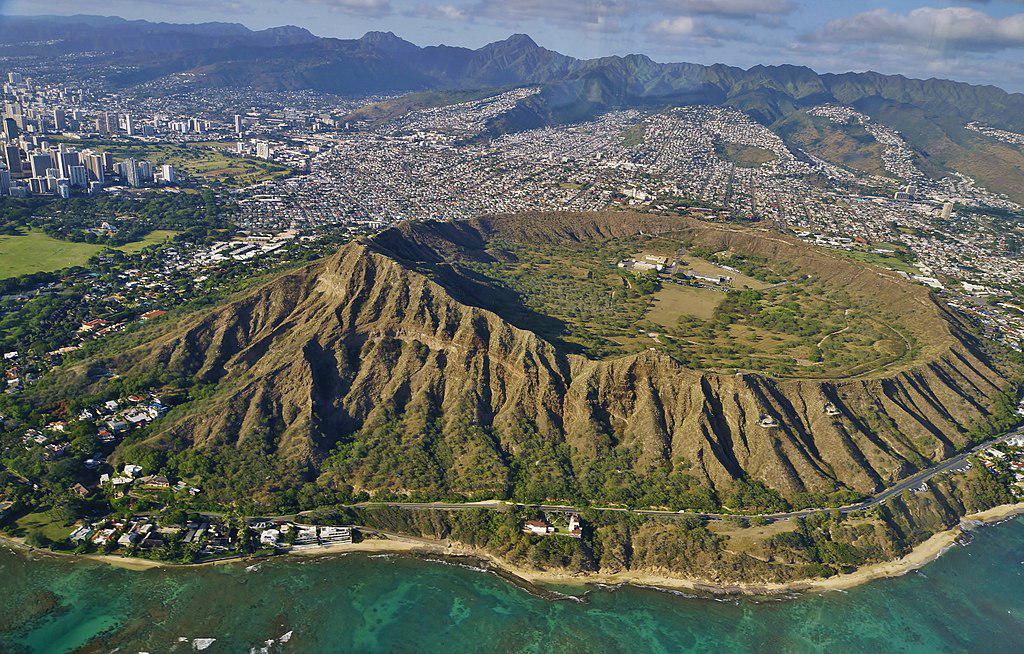
A volcanic tuff cone with a hiking trail leading to a summit lookout over Waikiki and the south shore. The crater is a designated state monument with historic military tunnels along the trail.
A large beachfront resort complex directly adjacent to the submarine pier with multiple towers and pools.
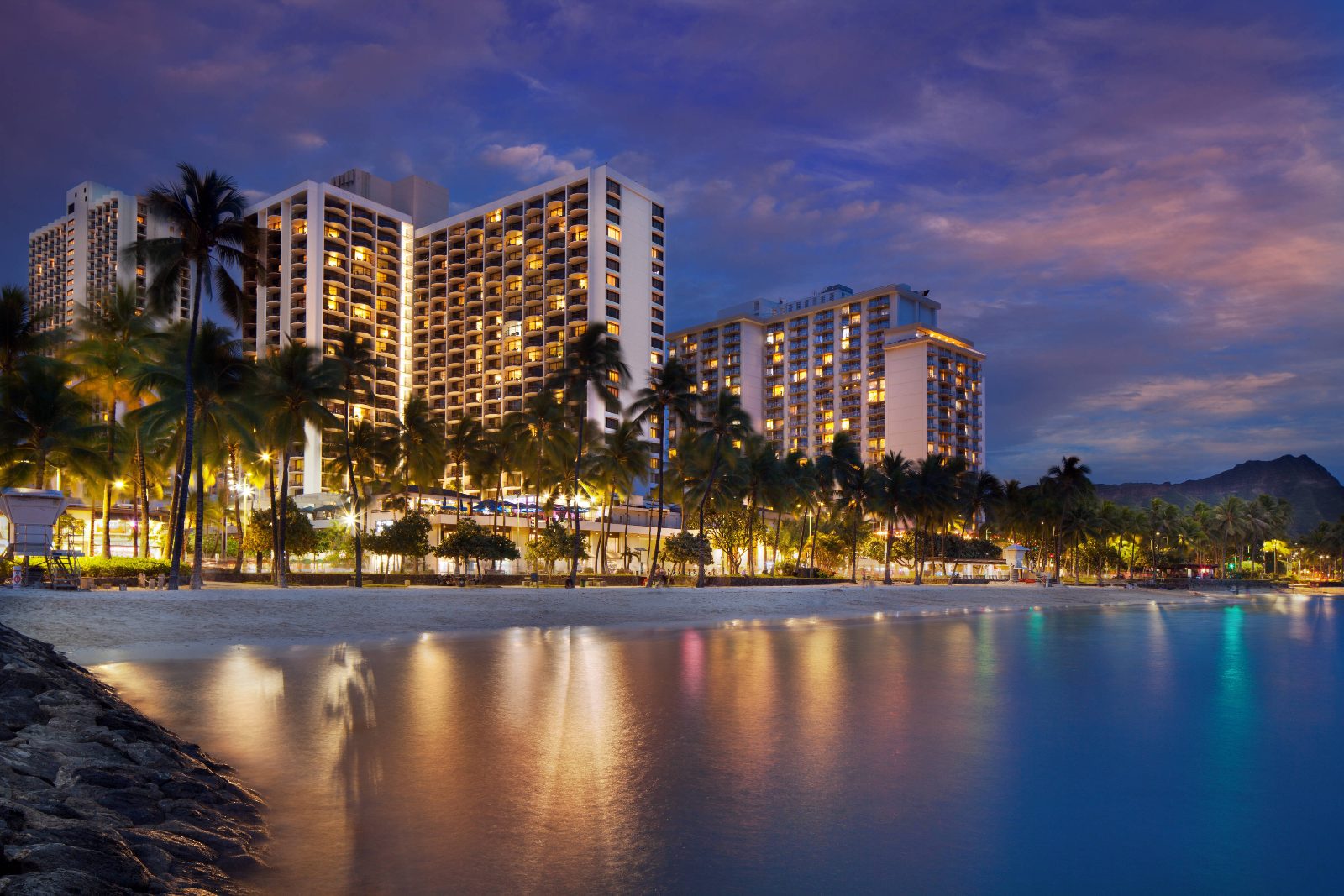
The broader Waikiki hotel strip offers a wide range of mid-range and boutique options along Kalakaua Avenue.
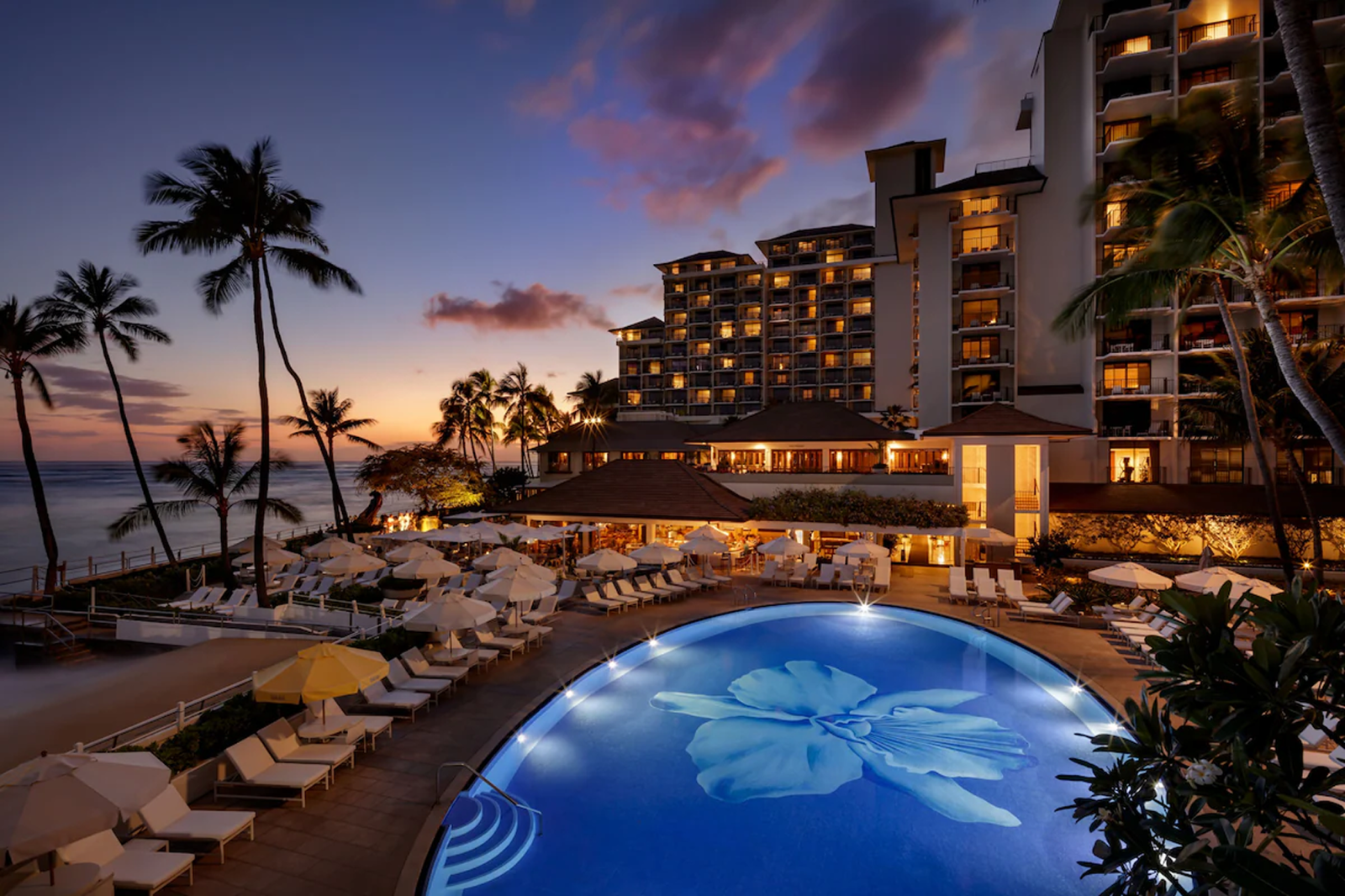
A beachfront hotel known for its quiet, upscale atmosphere along central Waikiki Beach.
A centrally located hotel near Kalakaua Avenue within walking distance of the pier.
Join thousands of happy travelers who have discovered this incredible experience
Book Your Experience Now